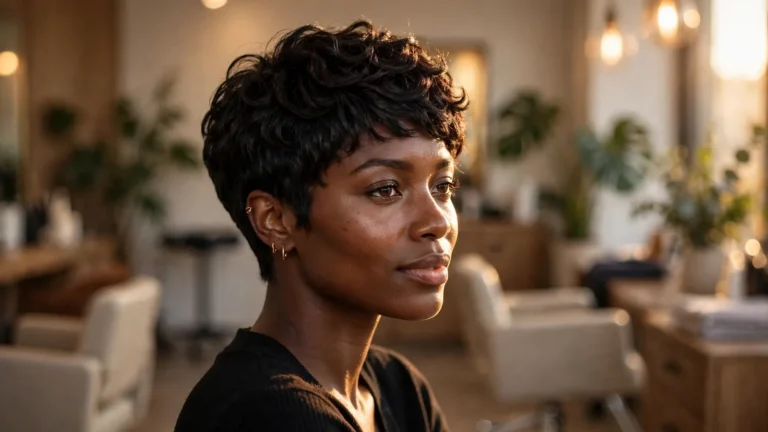
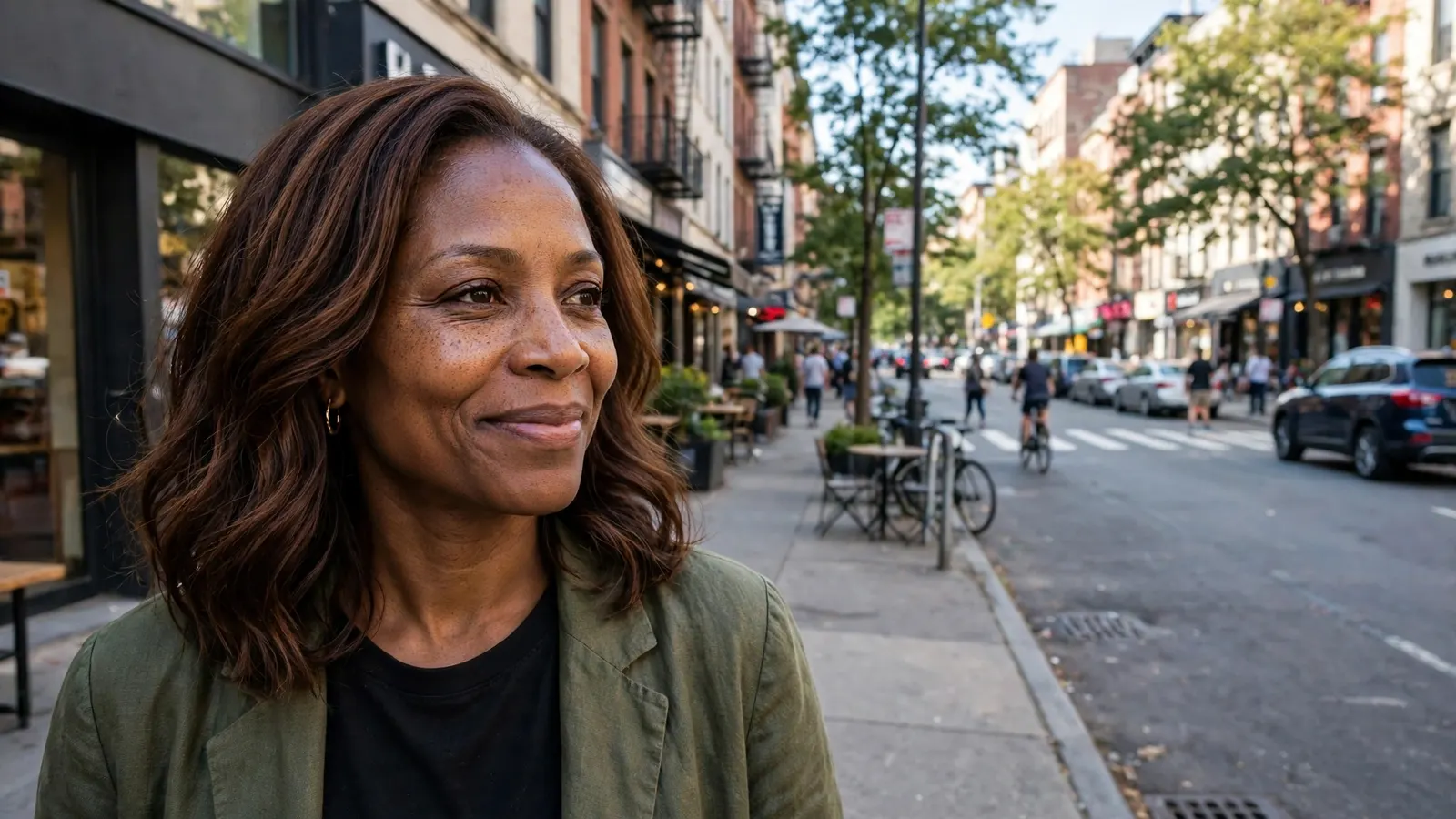
13 Low-Maintenance Hair Colors for Black Women That Look Polished for Weeks
Most color appointments end the same way: you leave the salon glowing, and three weeks later the roots are shouting and the shine is gone. That is exactly what low-maintenance hair colors for black women are built to fix. The shades on this list grow out softly, blend gray instead of fighting it, and still…
Most color appointments end the same way: you leave the salon glowing, and three weeks later the roots are shouting and the shine is gone. That is exactly what low-maintenance hair colors for black women are built to fix. The shades on this list grow out softly, blend gray instead of fighting it, and still look deliberate six weeks after your appointment. No harsh lines, no emergency root touch-ups, no color that only looks good on day one.
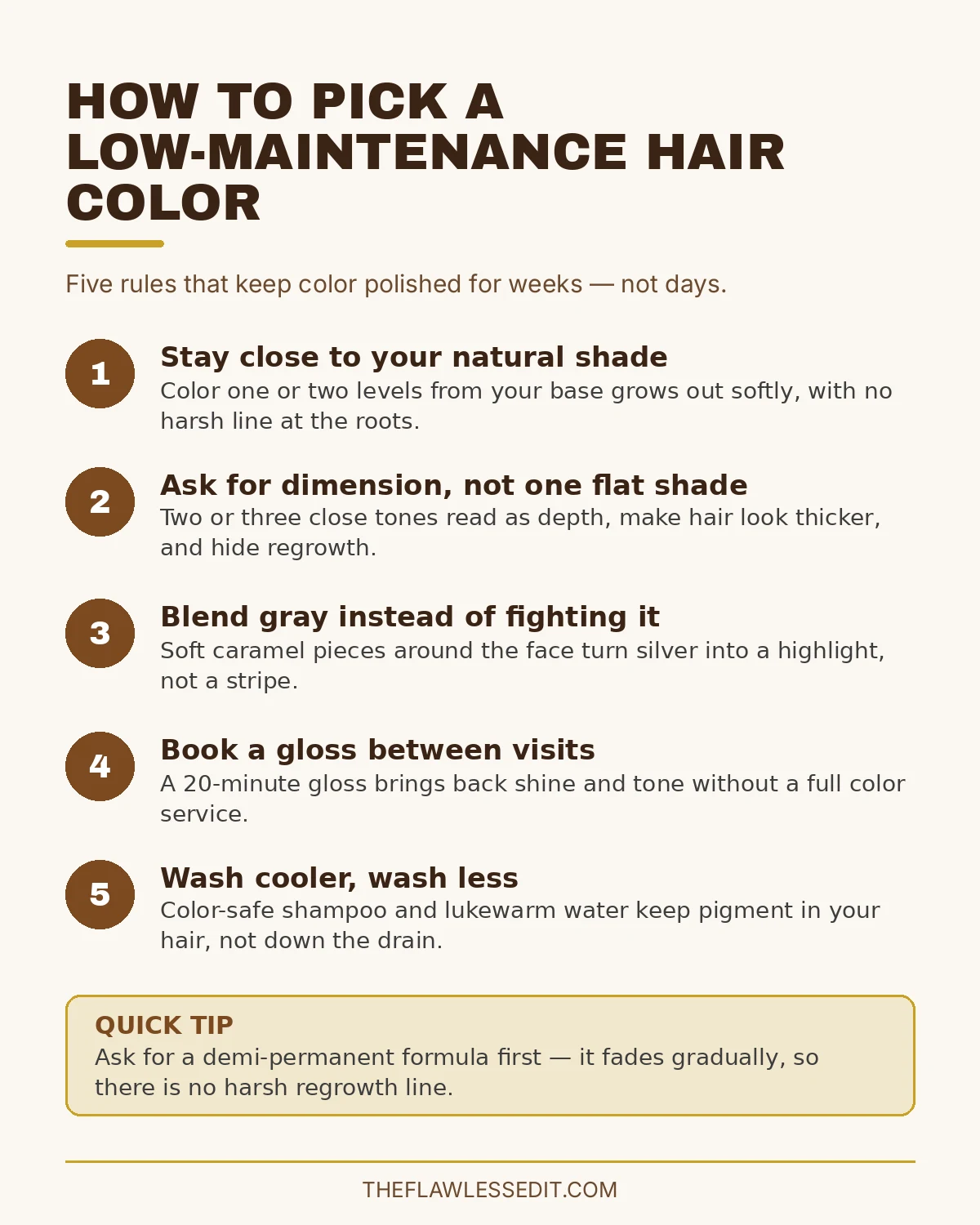
Each of the 13 colors below works on dark hair, textured hair, and mature hair, and each one comes with honest notes on upkeep, gray coverage, and what to ask your colorist for. Pick the shade that fits your life, not just your mood this week, and each one proves that low-maintenance hair colors for black women can still look rich, dimensional, and completely deliberate.
1. Warm Chocolate Brown
Warm chocolate brown is the easiest first step into color, and the most forgiving shade on this list. It sits one or two levels from natural black or dark brown, so regrowth blends in instead of drawing a line, and gray strands melt into the warmth instead of standing out. In sunlight it reads rich and expensive; indoors it just looks like healthy, glossy hair.

Ask for a mocha or espresso base with a golden undertone rather than a flat dark brown, and bring a photo so you and your colorist are picturing the same shade. If your hair is dry or relaxed, a conditioning treatment before the color helps it take evenly. For more shades in the same easy family, our 20 hair color ideas for Black women over 40 cover warm browns, copper, and burgundy in detail.
Upkeep: a gloss every 8–10 weeks; roots stay soft for months.
2. Honey Caramel Face-Framing Pieces
Four or five lighter pieces around the face can change your whole look without changing your whole head. Honey and caramel catch the light where it hits first, brightening the skin, and because the color lives in a small section, regrowth barely shows. It is the lowest-commitment way to try lighter hair.
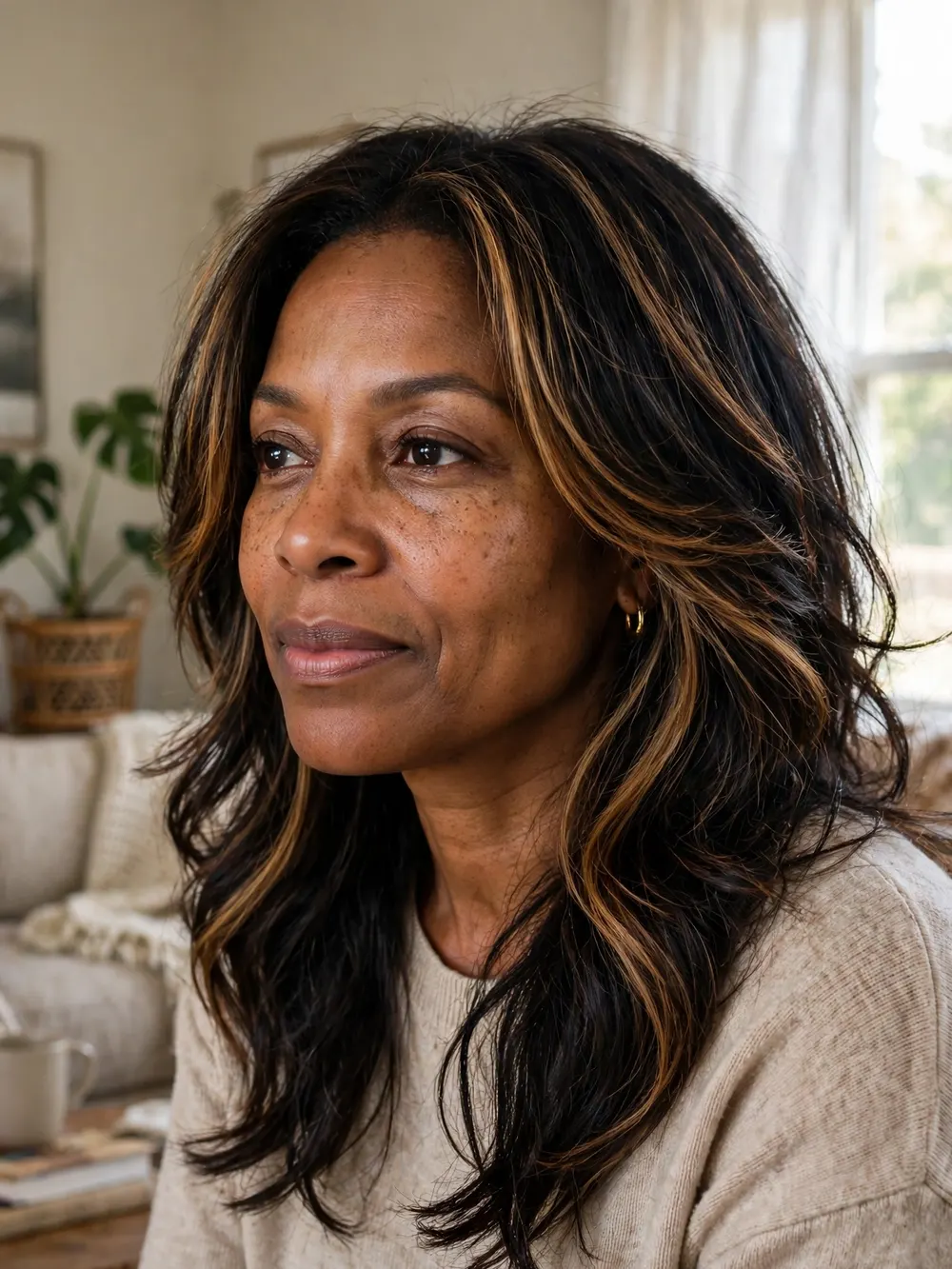
Ask for soft, hand-painted pieces instead of thick stripes, and keep the shade within a few levels of your base so it blends as it grows. Dark hair usually needs lightening for these tones, so book with someone who colors textured hair often, and ask about a bond-protecting treatment to keep the ends soft.
Upkeep: tone every 6–8 weeks; the pieces grow out with no hard line.
3. Deep Burgundy
Deep burgundy reads as dark brown indoors and shows its color in sunlight, which makes it a polished choice for work and a fun one everywhere else. It is bold without being loud, and on deep skin it adds a richness that plain brown cannot.

Red pigments fade faster than browns, so plan on a gloss every few weeks and wash with cool water and a color-safe shampoo. Pick burgundy if you want warmth; pick plum if you want something cooler and a little more dramatic. That soft grow-out is the whole point of low-maintenance hair colors for black women: the color should look intentional at week six, not just on day one.
Upkeep: gloss every 3–4 weeks to hold the red tones.
4. Copper Glow
Copper is the shade people save to their boards and hesitate to try, and on warm brown and golden skin it earns the hype. It catches light the way a good highlighter catches a cheekbone, and it looks natural on hair that already shows a reddish cast in the sun.

Start small if you are unsure: copper pieces or a copper gloss over a lighter base before committing to a full head. Expect the tone to drift toward gold over time, and keep a color-depositing conditioner at home to hold the warmth. Byrdie’s guide to chestnut brown hair is a good reference for how warm browns and copper tones behave as they fade — the same low-maintenance logic applies here.
Upkeep: color-depositing conditioner weekly; gloss every 4–6 weeks.
5. Gray-Blending Caramel Pieces
Full gray coverage means a standing appointment every few weeks. Blending does not. Soft pieces a shade or two lighter than your base, placed around the hairline and the part, let gray read as one more tone in the mix instead of a stripe at the root.

Choose a warm brown, a soft caramel, or a muted bronze, since stark contrast makes gray stand out more. This works best with scattered gray rather than one solid white section, and as more silver comes in, the color around it still looks planned. If you wear locs, the same blending idea works there too — our locs guide for Black women over 40 shows how silver sits beautifully in mature locs.
Upkeep: pieces refreshed every 10–12 weeks; no root line to chase.
6. Jet Black With a Blue Sheen
Natural black and jet black are not the same thing. Natural black often looks softer and a little brown in the light, while jet black with a blue sheen looks glossy and deliberate — the sharpest finish on this list, and one of the gentlest color changes, since it adds depth instead of lifting anything.
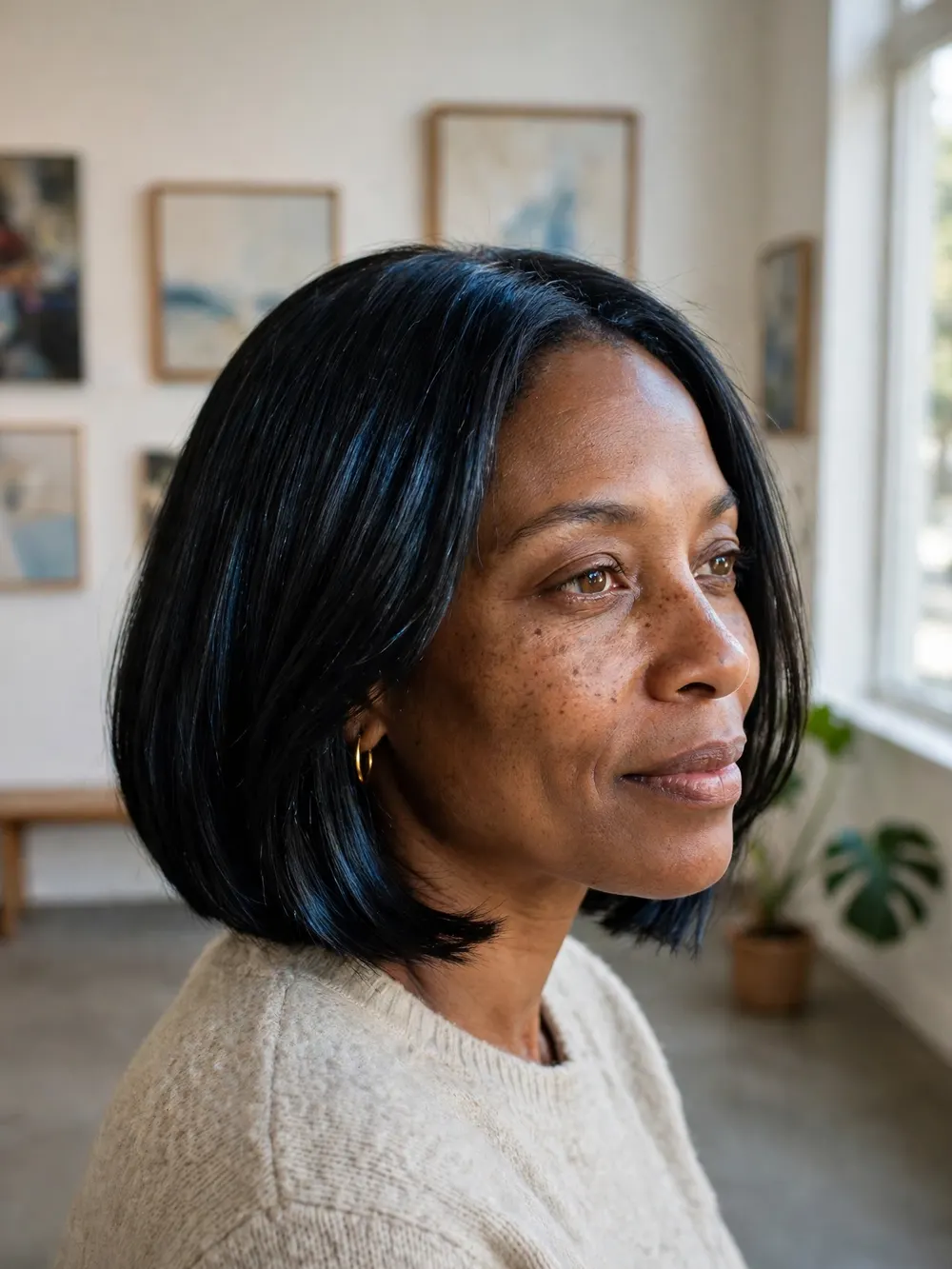
It suits cool skin tones well and looks especially crisp on a bob or a sleek bun. Gray strands can show up as dull white against such a dark shade, so keep a gloss on the calendar every few weeks. Flat black fades fast; a blue-black base with shine holds its polish far longer.
Upkeep: gloss every 3–4 weeks; shine is the whole look here.
7. Gloss Refresh Between Appointments
Your color looked rich on day one. By week five it looks tired. That fading is normal, and a gloss often fixes it without a full color service. A gloss is a quick, low-commitment treatment that adds shine and refreshes tone, and many salons offer it as a short appointment.

Use the same shade family as your current color, because a gloss refreshes color rather than changing it. If you color at home, read the label and test a small section first. Wash with a gentle, color-safe shampoo and towel dry until damp, apply the gloss through the lengths, rinse with cool water, and seal with a deep conditioner.
Upkeep: a gloss every 4–6 weeks stretches any color on this list.
8. Balayage: Low-Maintenance Hair Colors for Black Women That Grow Out Gracefully
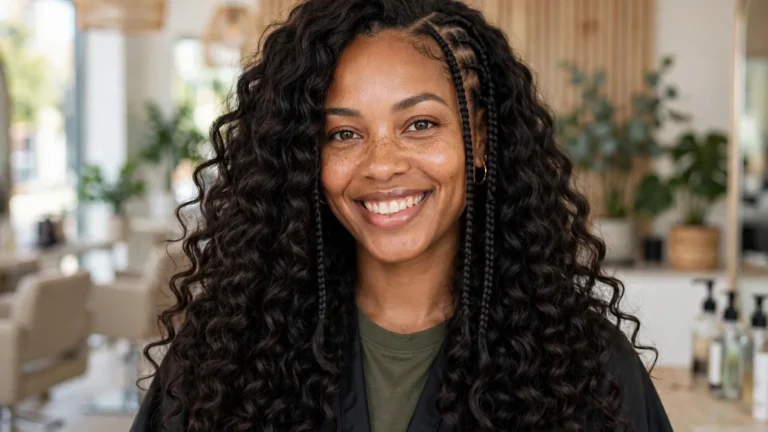
Look at a good balayage from the side and you will see no line at all, only a slow fade from your natural color into something lighter. The color is hand-painted and softest near the root, so regrowth blends in as your hair grows — three or four months between visits is normal.

Ask for a shadowed root and a gentle transition, with the lightest pieces toward the ends where they frame the face. Pair it with a layered cut so the color moves when you do. Balayage on dark hair involves lightening, so if your hair is dry, relaxed, or breaking, ask your colorist to assess it first — healthy ends take color better and hold it longer.
Upkeep: toner every 8–10 weeks; full balayage only 2–3 times a year.
9. Dimensional Brown
A single flat brown looks like a wall. Two or three close shades look like hair. Dimensional color layers a base with lighter and deeper tones, usually within a few steps of each other, and the eye reads the difference as depth — which makes hair look thicker and shinier in photos and in person.

Bring a photo and say which shade you want at the roots, the mid-lengths, and the ends, and ask for the depth to stay subtle. If it looks striped in the mirror, it is too contrasting. Dimensional shades are among the most forgiving low-maintenance hair colors for black women who want richness without a strict salon schedule. Dimensional brown also helps gray blend, since silver strands have other tones to sit beside. It pairs beautifully with braids, too — color woven through braided hairstyles for Black women adds dimension without touching your natural hair with dye every few weeks.
Upkeep: refresh every 10–12 weeks; dimension hides regrowth.
10. Color Melt
A color melt moves from your natural root to the shade at your ends with no line between them. Instead of stopping at a clean edge, the colorist blends the tones together so your regrowth looks like part of the design. It suits anyone who dislikes a visible root, and it works with browns, burgundy, and copper.

Ask for a darker, shadowed root so the first inch of new growth blends in, and expect fewer appointments than with all-over color — often several months apart. Bring a photo that shows the transition you want, since “melt” means different things to different stylists. If you love the soft grow-out but want a break from color entirely, a natural hairstyle for Black women like a twist-out or a wash-and-go lets your texture take the spotlight while the melt grows out.
Upkeep: melt refresh every 3–4 months; the longest stretch on this list.
11. Soft Black Cherry Bob
A short cut leaves color nowhere to hide, which is exactly why a soft black cherry works on a bob. The shade reads almost black indoors and shows a deep cherry glow in sunlight, so it feels polished at work and a little bit fun after hours. With less hair, even a small amount of color shows.
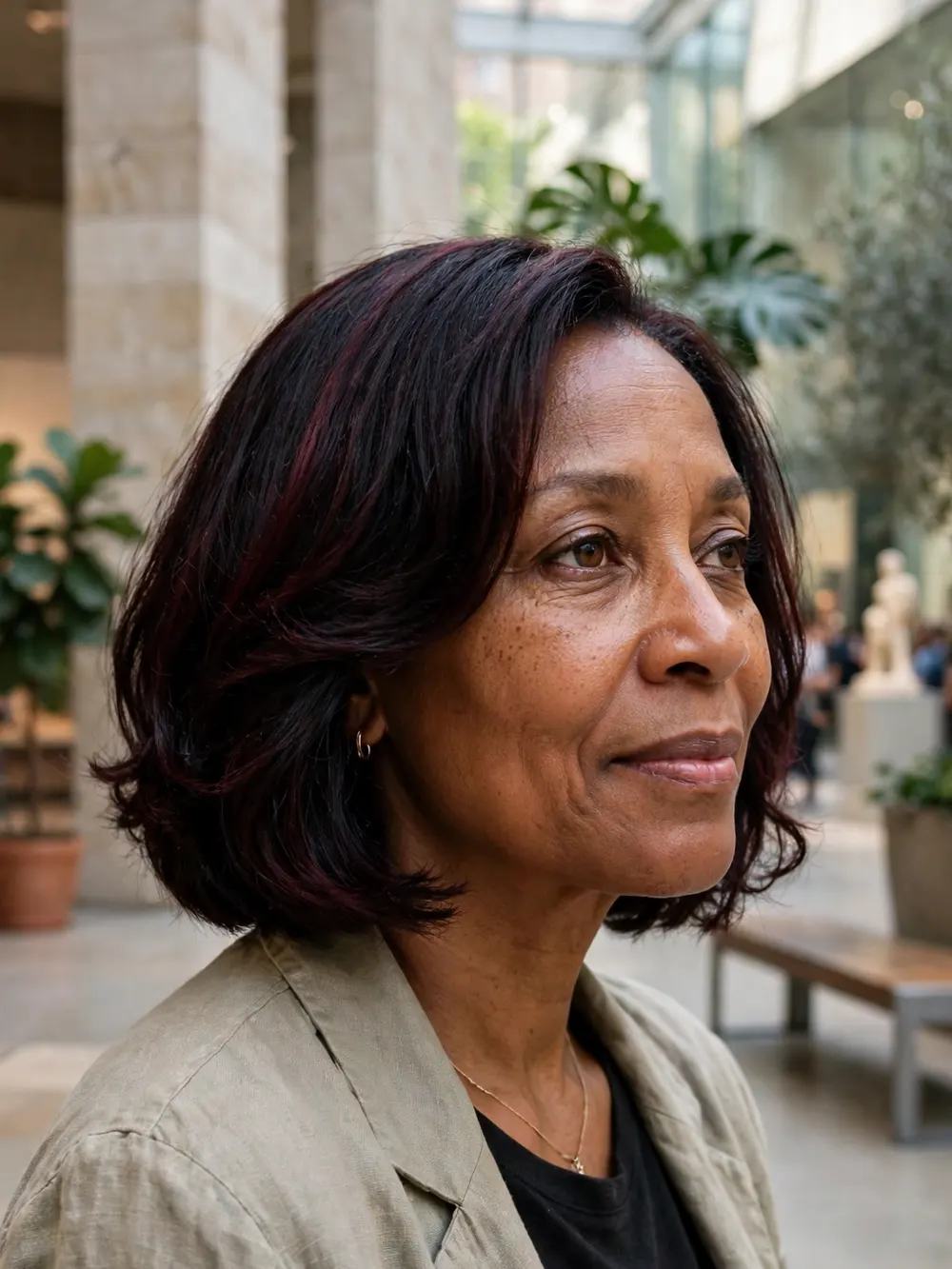
Keep the color to one family and one placement, and ask your stylist to cut first and then color, so the shade sits where the shape needs it. Short hair also grows out fast, so a bold shade costs less in commitment than it would on long hair. On the days you want a change without touching your color at all, a wig in a matching shade gives you a second look while your own hair rests.
Upkeep: shape-up and gloss every 4–6 weeks to keep the edge sharp.
12. Golden Brown Curls
Golden brown is the sunniest shade on this list, and on curls it does double work: the color catches the light on every curve, so the texture itself looks brighter. It is a warm, open shade that flatters deep skin and makes the face look lit from within.
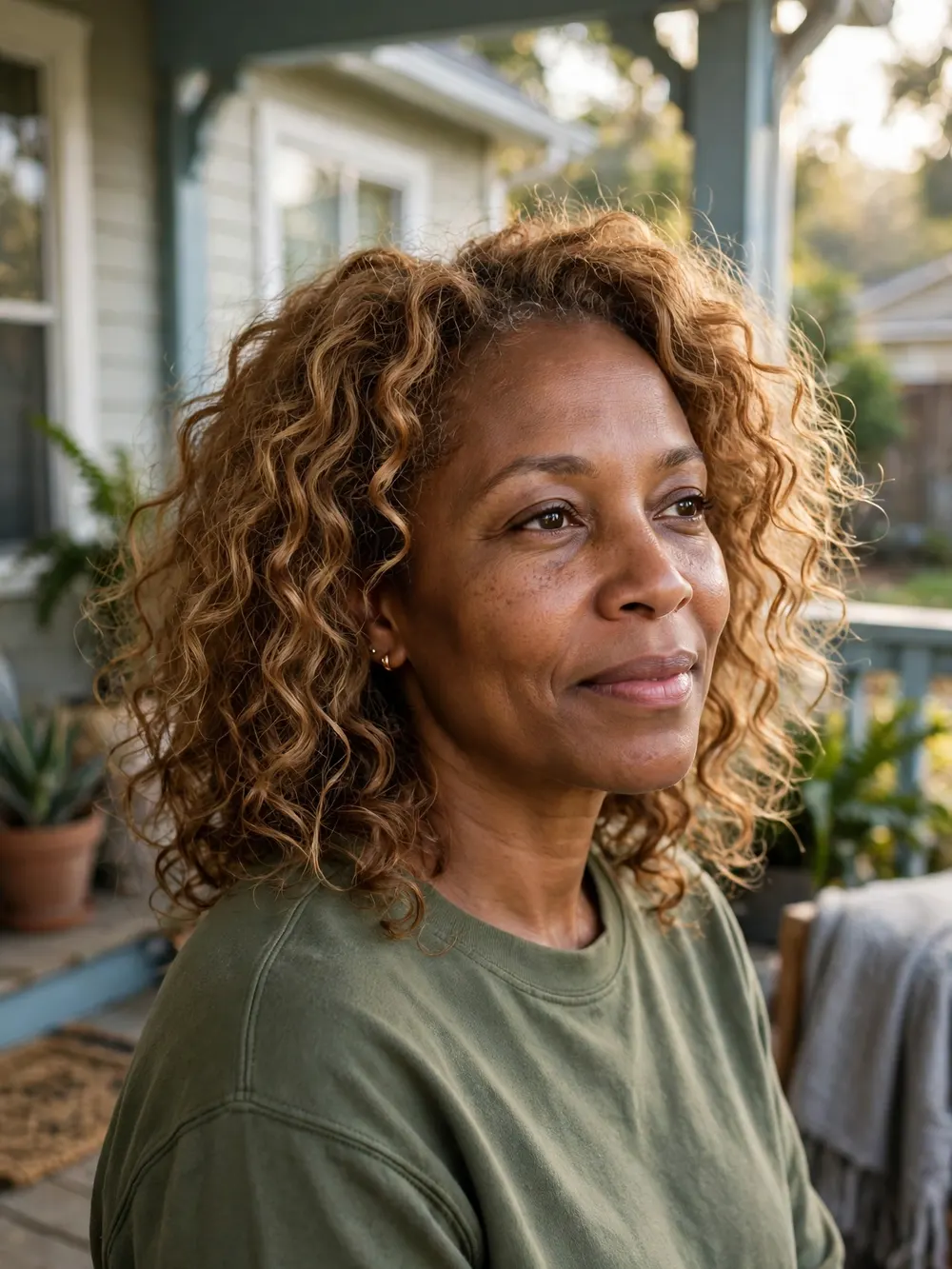
Golden tones can drift brassy if the hair underneath is very dark, so ask your colorist about a toner or a gloss to keep the gold soft rather than yellow. A color-safe shampoo and cool rinses slow the fade, and a weekly deep conditioner keeps curls defined. Protective styles for Black women over 40 are the easiest way to stretch the color even further — tucked-away ends hold tone for weeks with almost no daily effort.
Upkeep: toner every 6–8 weeks; deep condition weekly.
13. Espresso With Subtle Auburn
Espresso is the darkest brown that still reads as brown, and a whisper of auburn keeps it from looking flat. Worn in a sleek low bun, it is the most boardroom-ready color on this list: dark, glossy, and completely unbothered by a long day.

The auburn shows mostly in sunlight, so the look stays professional indoors and warms up outside. It is also one of the kindest colors for hair that has been relaxed or heat-styled for years, since it needs little or no lifting. For the days between appointments, Redken’s guide to protecting color-treated hair explains why a sulfate-free, color-safe shampoo and lukewarm water matter more than any single product.
Upkeep: gloss every 6–8 weeks; almost no lifting means almost no damage.
Low-Maintenance Hair Colors for Black Women: A Quick Recap Before You Book
The thread running through all 13 of these low-maintenance hair colors for black women is simple: stay close to your natural shade, build in dimension, and let the grow-out be part of the design instead of something to hide. Pick the shade that fits your calendar as well as your mirror — a color you can live with for ten weeks will always look better than one you love for ten days. Bring a photo to your appointment, ask about a gloss between visits, and give your color time to settle before you judge it. The best low-maintenance color is the one you forget you are wearing, because it just looks like your hair on its best day.