
20 Hair Color for Black Women Over 40 Ideas for a Fresh, Polished Refresh
Most hair color advice online shows one shade on one model and calls it done. Then you sit in the chair at 45, with some gray at the temples, hair that has handled years of heat and stress, and a skin tone nobody photographed for that swatch. That gap is why a color refresh can…
Most hair color advice online shows one shade on one model and calls it done. Then you sit in the chair at 45, with some gray at the temples, hair that has handled years of heat and stress, and a skin tone nobody photographed for that swatch.
That gap is why a color refresh can feel risky. You want something fresher, but you do not want brassy ends, a harsh line at the root, or a shade that looks flat under office lighting.
The good news is that hair color for black women over 40 has more room than the usual advice suggests. Warm browns, copper, burgundy, and soft highlights all work, and each one can be done gently.
The ideas below cover how to pick a shade, how to handle gray, and how to keep color looking rich between salon visits. Take what fits your hair and save the rest for later.
1. Pick Your Undertone Before You Pick a Swatch
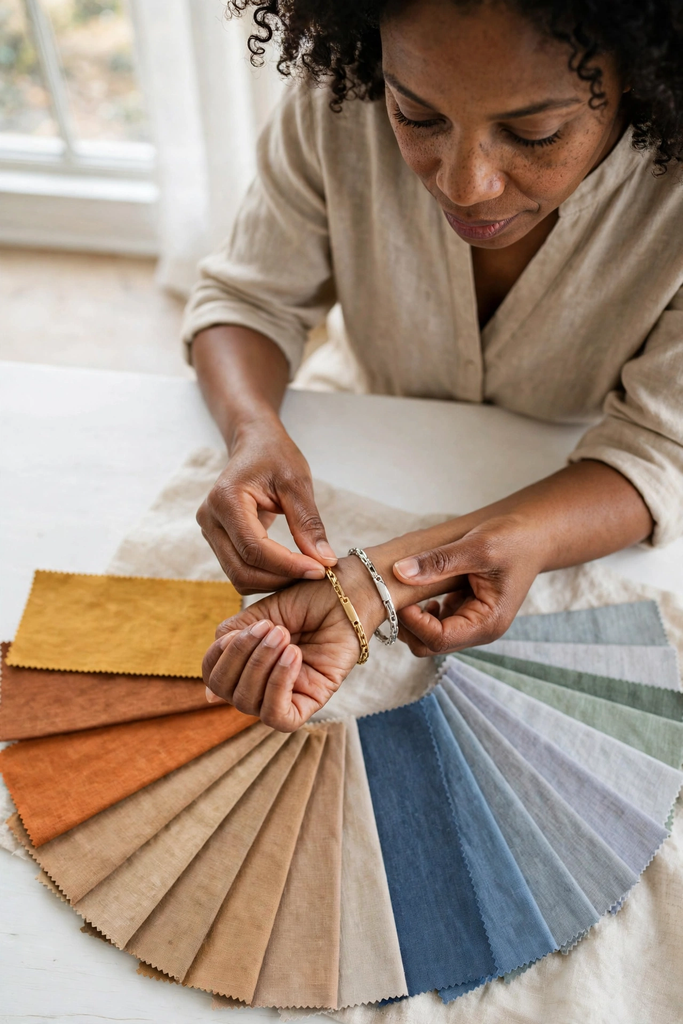
Undertone decides whether a shade looks rich or muddy on you. Hold a gold bracelet and a silver one against your inner wrist in daylight. If gold looks better, your skin leans warm. If silver does, it leans cool. If both work, you are likely neutral. It is a rough test, and a good colorist can confirm it in a minute.

Warm skin tends to glow with honey, copper, and golden brown. Cool skin often looks best in plum, a burgundy with a violet base, or blue black. Neutral skin can wear most of them, so let your hair’s condition and your upkeep time make the final call.
2. Warm Chocolate Brown for a Soft First Refresh
A first refresh should be easy to live with, and warm chocolate brown is. It sits only a step or two from natural black or dark brown, so there is little risk of strange tones and the roots grow out softly. It adds richness you can see in sunlight and gives gray strands something to blend into.
Ask for a mocha or espresso with a golden base rather than a flat dark brown. Bring a photo and point to the exact shade. If your hair is dry or has been relaxed, ask your colorist to add a conditioning treatment first, so the color takes evenly and the ends stay soft.
💡 Quick Tip
Tell your colorist how often you are willing to come back. A shade close to your natural color stretches the time between visits.
3. Honey Caramel Pieces Around the Face Only
Four or five lighter pieces can change your whole face without changing your whole head. Face framing color sits near the front, where light hits first. Honey and caramel reflect brightness onto the skin, and because the color stays in a small section, regrowth barely shows.
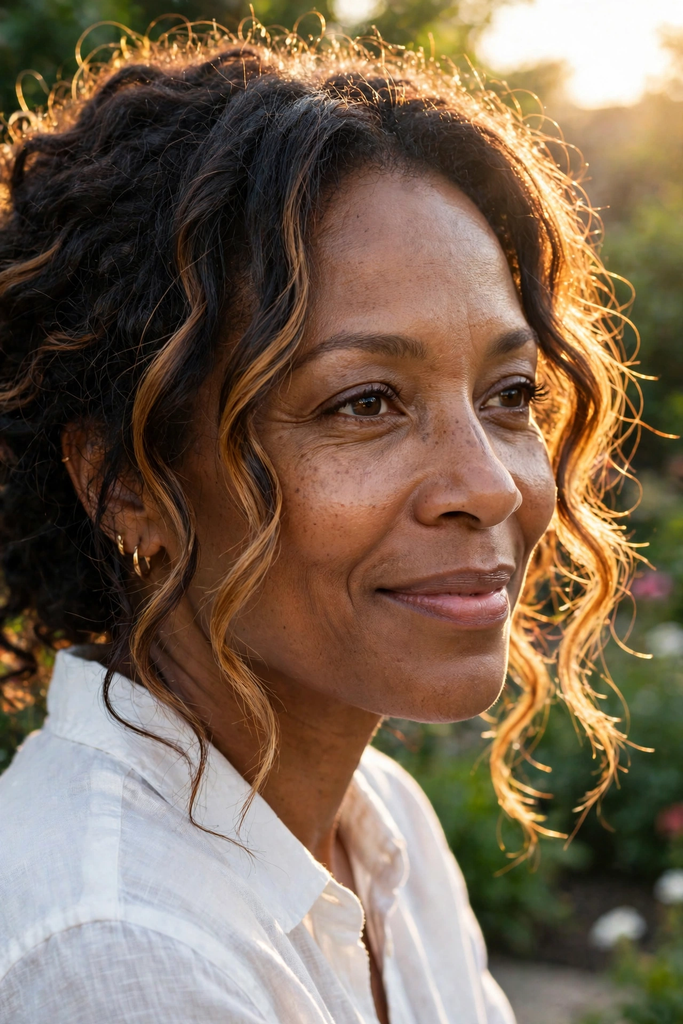
Ask for soft, hand painted pieces instead of thick, even stripes, which can look stiff. Keep the shade within a few levels of your base so it blends. Dark hair usually needs lightening for these tones, so book with someone who colors textured hair often and ask about a bond protecting treatment.
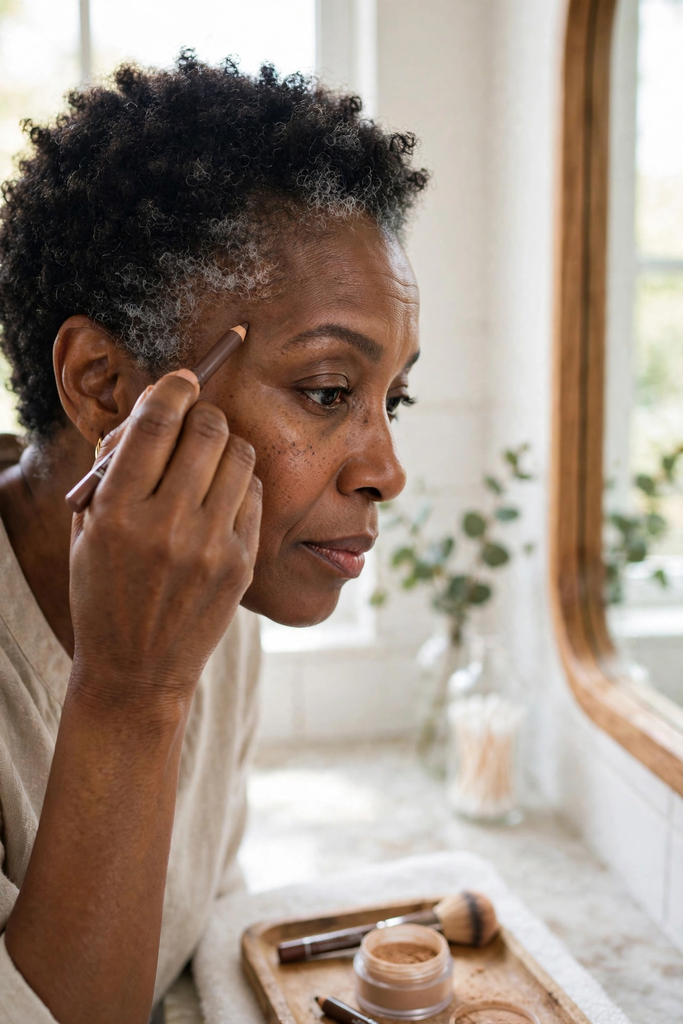
4. Deep Burgundy or Plum for a Rich, Low Key Change
Bold does not have to mean loud. A deep burgundy or plum often reads as dark brown indoors and shows its color in sunlight. That makes it a good fit for work settings, where you want a change that rewards a second look without drawing a crowd.
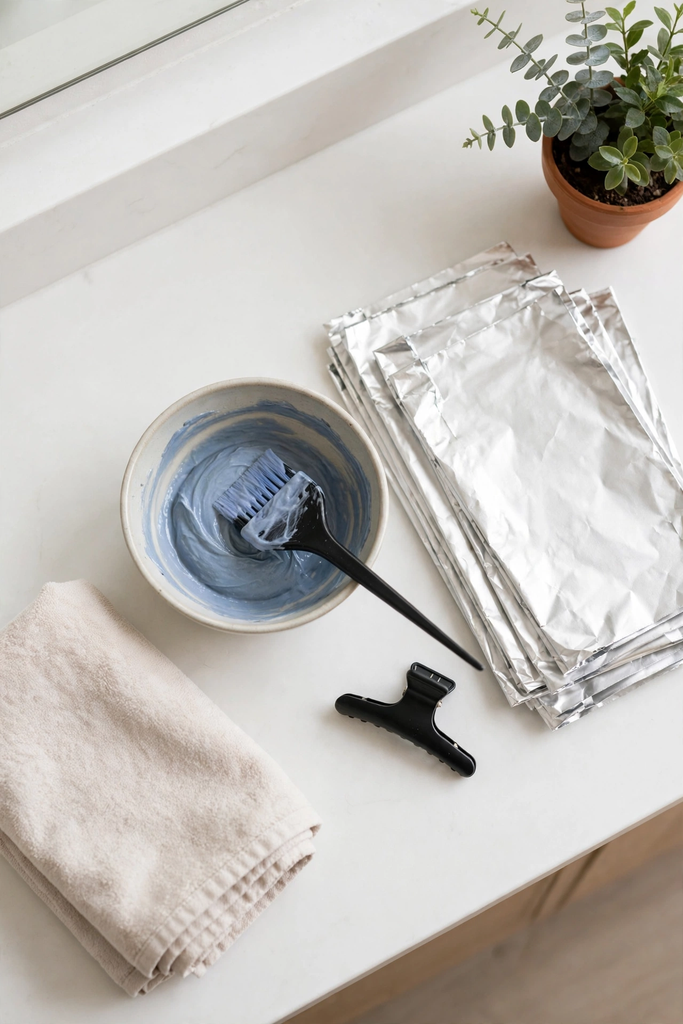
Red pigments can fade faster than browns, so ask your colorist about a gloss every several weeks. Wash with cooler water and a color safe shampoo to slow the fade. Pick burgundy if you want warmth, and plum if you want something a little cooler and more dramatic.
| Burgundy | Plum |
|---|---|
| Leans red and warm | Leans violet and cooler |
| Reads like dark brown indoors | Reads more purple, especially in sun |
| Fades toward a copper tone | Fades toward a soft berry |
5. Copper Tones That Make Warm Skin Glow
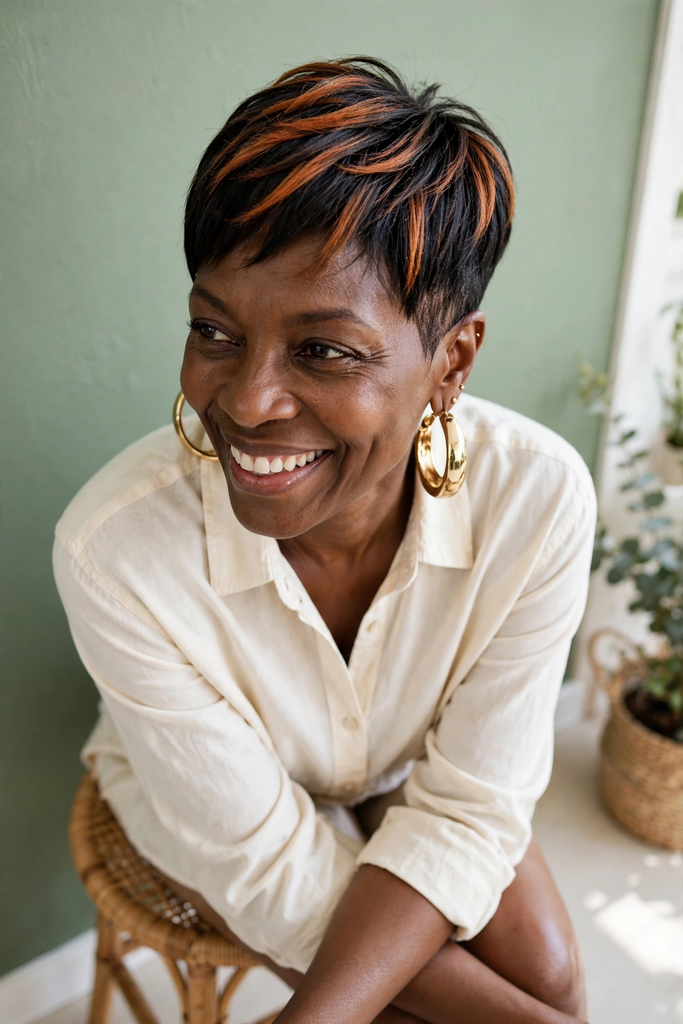
Copper is the shade people save to their boards and then hesitate to try. On warm brown and golden skin, it adds a glow that plain dark brown cannot. It catches light the way a good highlighter catches a cheekbone, and it looks natural on hair that already has a reddish cast in the sun.
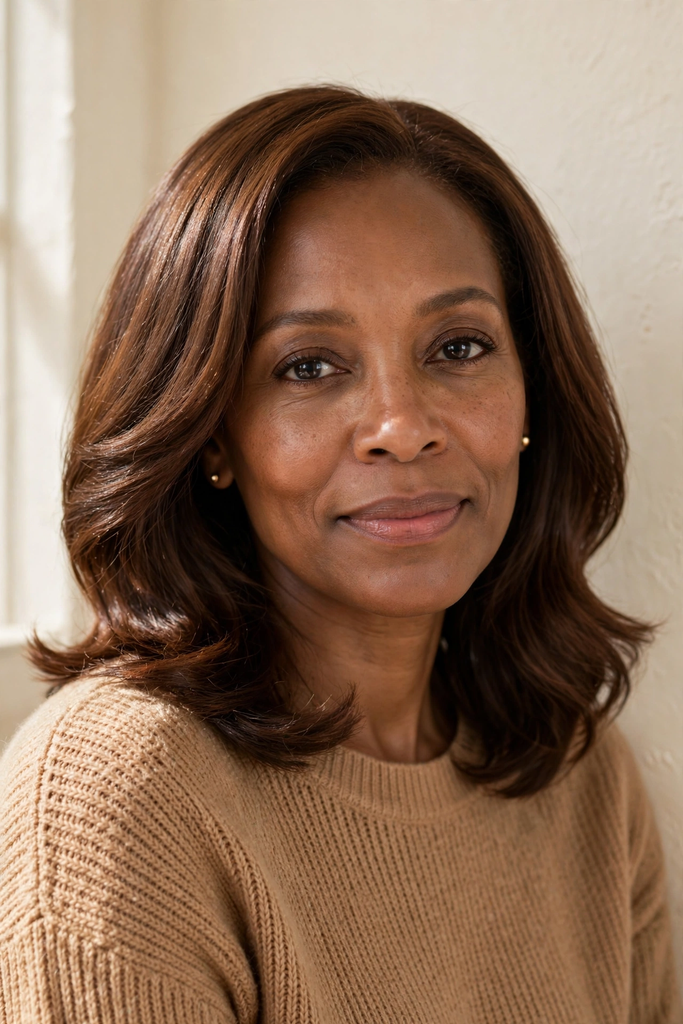
Copper usually needs lightening on dark hair, so start small. Try copper pieces or a copper gloss over a lighter base before you commit to a full head. Expect it to drift toward gold over time, and use a color depositing conditioner at home to keep the warmth.
One flat shade of dark brown that absorbs light and gives the face no lift in photos.
Soft copper pieces that catch the light, warm the skin, and add movement without a full color change.
6. Blend Your Gray With Face Framing Color Instead of Covering It All
Full gray coverage means a standing appointment every few weeks. Blending does not. Ask your colorist for soft pieces a shade or two lighter than your base, placed around the hairline and the part. The gray then reads as one more tone in the mix instead of a stripe at the root. As more silver comes in, the color around it still looks planned.

Choose a warm brown, a soft caramel, or a muted bronze, since stark contrast makes gray stand out more. This works best if you have scattered gray rather than one solid white section.
Ask your colorist these questions
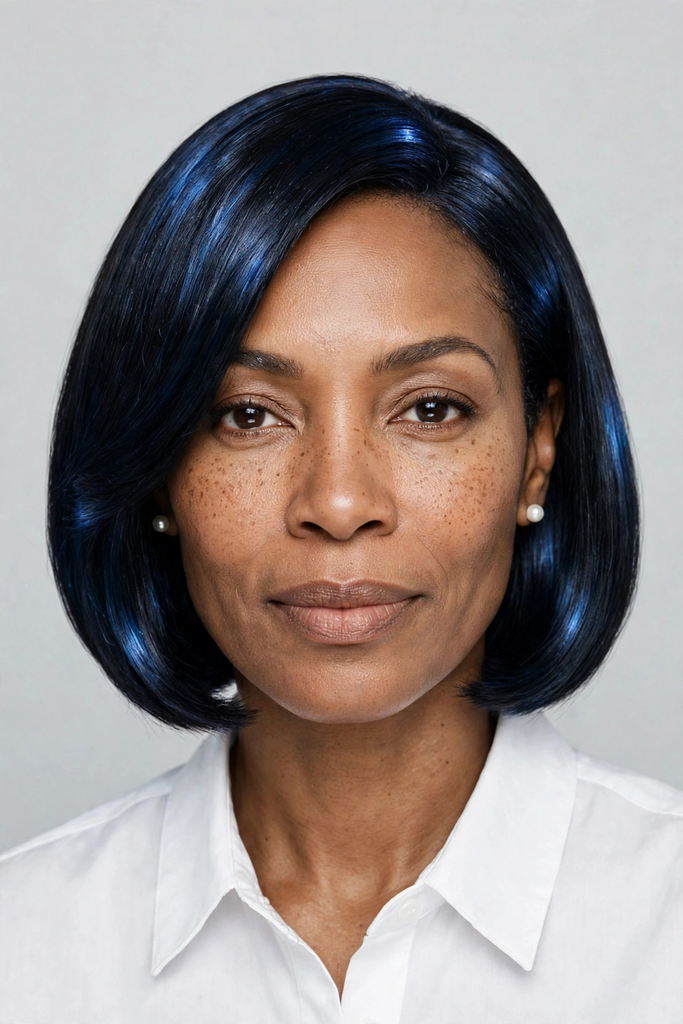
7. Jet Black With a Blue Sheen for a Sharp, Classic Finish
Natural black and jet black are not the same thing. Natural black often looks softer and a little brown in the light, while jet black with a blue sheen looks glossy and deliberate.
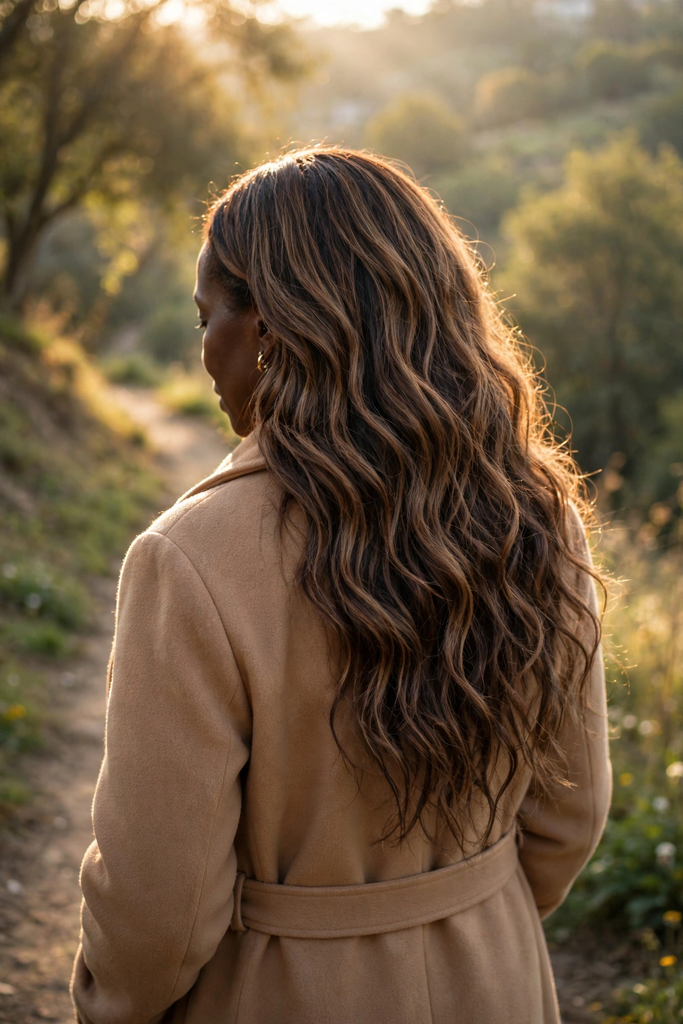
It suits cool skin tones well and looks especially crisp on a bob or a sleek bun. If your hair is already dark, this is one of the gentlest color changes, since it adds depth instead of lifting anything. Gray strands, though, can show up as a dull white against such a dark shade.
Plan on a gloss every few weeks to keep the shine. Flat black fades fast.
Ask for a blue black or soft black base.
Book a gloss for shine every few weeks.
Wear it sleek to show off the finish.
A flat box black that fades to rust.
Heavy oils that dull the shine.
Ignoring gray that shows at the part.
8. Refresh Dull Color With a Gloss Between Salon Visits
Your color looked rich on day one. By week five, it looks tired. That fading is normal, and a gloss often fixes it. A gloss is a quick, low commitment treatment that adds shine and refreshes tone without a full color service. Many salons offer it as a short appointment, and some home options exist for light touch ups.
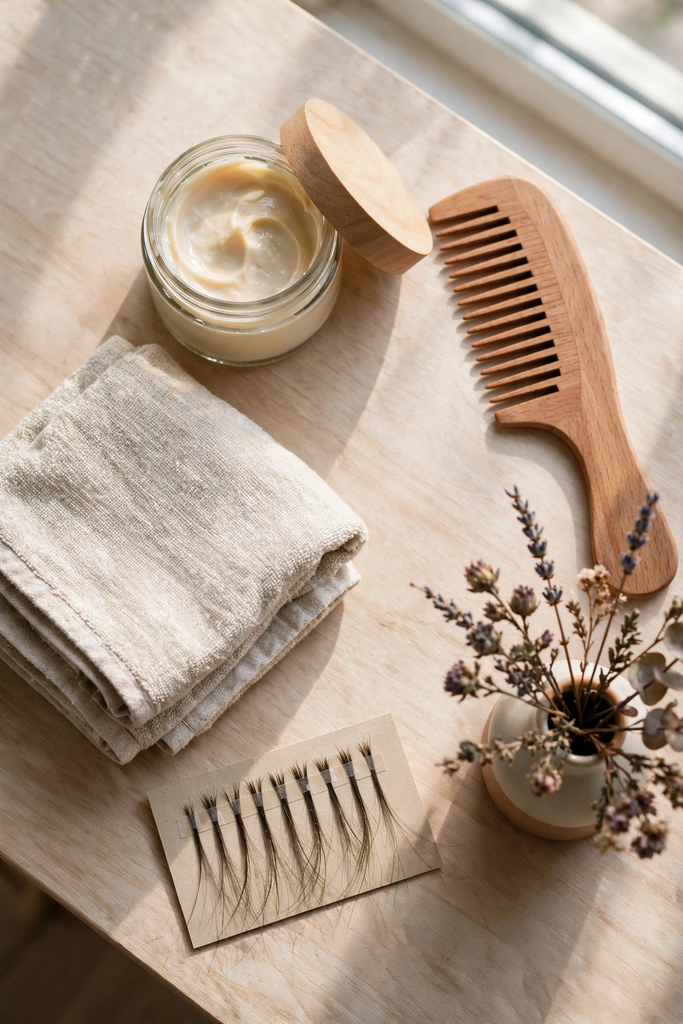
Use the same shade family as your current color, because a gloss refreshes color and does not change it much. If you color at home, read the label carefully and test a small section first.
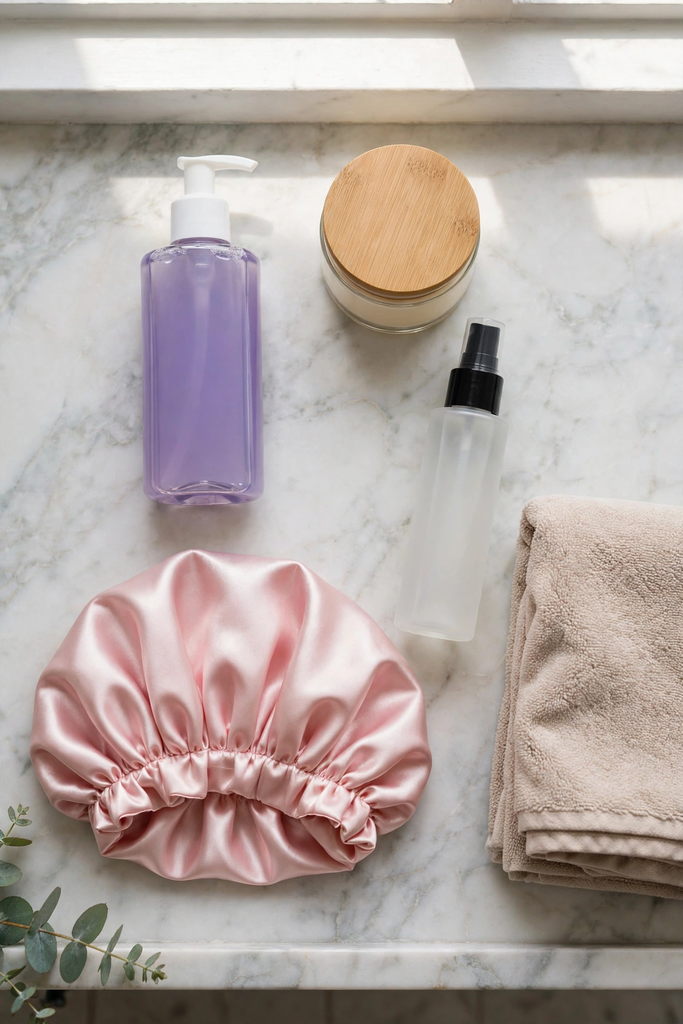
Wash with a gentle, color safe shampoo and towel dry until damp.
Apply the gloss through the length and ends, following the timing on the label.
Rinse with cool water, then follow with a deep conditioner to seal in shine.
9. Go Slow With Ash and Platinum on Dark Hair
Many women ask for ash blonde after seeing one stunning photo, and most don’t hear how much goes into it. Dark hair has to be lightened a lot to reach cool, silvery tones. That takes time, often several sessions, and it can leave hair dry or weak if rushed. The result also needs regular toning to stop it turning yellow or orange.
If you love the look, start with a few cool toned pieces and see how your hair responds. Ask for a bond protecting treatment and give yourself weeks between lightening sessions.
The lighter you go, the more care your hair needs. Plan for patience, not one long afternoon.
10. Balayage That Grows Out Without a Harsh Line
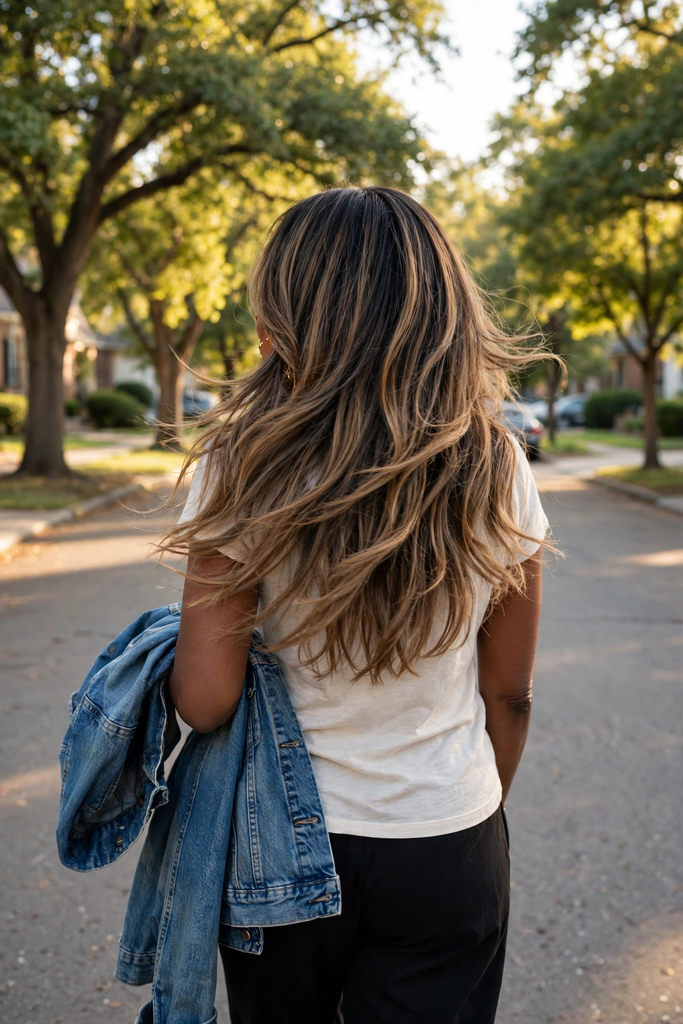
Look at a good balayage from the side and you will see no line at all, only a slow fade from your natural color into something lighter.

That is the point. The color is hand painted and softest near the root, so regrowth blends in as your hair grows. You can go three or four months between visits, which is useful if you hate sitting in a salon chair.
Ask for a shadowed root and a gentle transition. Keep the lightest pieces toward the ends, where they frame the face and add movement. Pair it with a layered cut so the color moves when you do.
⚠️ Watch Out
Balayage on dark hair involves lightening. If your hair is dry, relaxed, or breaking, ask your colorist to assess it first. Healthy ends take color better and hold it longer.
11. Pair a Short Cut With One Bold Color
A short cut leaves the color nowhere to hide, which is exactly why it works. With less hair, even a small amount of color shows. A pixie with copper pieces on top reads as styled. A bob in deep burgundy looks sharp and finished. A tapered cut with honey tones on the crown needs almost no styling to look intentional.
Keep the color to one family and one placement. Short hair also grows out fast, so a bold shade costs less in commitment than it would on long hair. Ask your stylist to cut first, then color, so the shade sits where the shape needs it.
12. Build a Color Care Routine That Keeps Shine
The money you spend on color is lost fast if the routine at home works against it. Hot water and harsh shampoo pull color out and leave strands dry. Switching to cooler water and a color safe, moisturizing shampoo is the easiest change. A weekly deep conditioner helps color hold, and a heat protectant matters if you press or blow dry.
Colored hair, especially anything lightened, tends to need more moisture than before. Notice how your ends feel after washing. If they feel rough, add a leave in conditioner. If your color fades quickly, ask your colorist about a gloss to bring it back.
Your color care checklist
13. Test a Semi Permanent Shade Before You Commit
Not sure you will like burgundy? Wear it for a few weeks first. Semi permanent color coats the outside of the hair and fades gradually, so there is no sharp regrowth line and no long term commitment. It is a low risk way to find out whether a shade suits your skin, your wardrobe, and your mood.

Keep expectations honest. On dark hair, semi permanent color often shows only as a subtle tint in sunlight, and it may not cover gray fully. Do a strand test behind your ear or on a hidden section first, and wait for the full processing time before judging the result.
14. Salon Color or Box Dye, and When Each Makes Sense
Box dye is not always a mistake. It just has limits that are easy to miss. A box formula cannot adjust for your exact starting shade, your gray, or the different texture of your ends. That is why box color can come out patchy or darker than the picture. A salon colorist mixes for your hair, which matters most with anything lighter than your natural color or any big change.
Box dye can work for a simple, close to natural refresh on healthy hair. Skip it if your hair is relaxed, previously lightened, or breaking, and do not layer new color over old without a professional’s opinion.
| Salon color | Box dye |
|---|---|
| Mixed for your hair and gray | One formula for many heads |
| Best for lightening or big changes | Best for small, close to natural changes |
| Higher cost, more control | Lower cost, more risk of surprises |
15. Ask for a Dimensional Brown Built From Two or Three Close Shades
A single flat brown looks like a wall. Two or three close shades look like hair. Dimensional color layers a base with lighter and deeper tones, usually within a few steps of each other. The eye reads the difference as depth, which makes the hair look thicker and shinier in photos and in person. It also helps gray blend, since the strands have other tones to sit beside.

Bring a photo and say which shade you want at the roots, the mid lengths, and the ends. Ask for the depth to be subtle. If it looks striped in the mirror, it is too contrasting.
One solid shade that looks heavy, shows every bit of regrowth, and reads flat in photos.
A base with two softer tones layered in, giving depth, movement, and a gentler grow out.
16. Try a Color Melt So Your Roots Blend as They Grow
A color melt moves from your natural root to the shade at your ends with no line between them. Instead of stopping at a clean edge, the colorist blends the tones together so your regrowth looks like part of the design. It suits anyone who dislikes a visible root, and it works well with browns, burgundy, and copper. Ask for a darker, shadowed root so the first inch of new growth blends in.

Expect fewer appointments than with all over color, often several months apart. Bring a photo that shows the transition you want, since “melt” means different things to different stylists.
Book a consultation and bring two photos: one of the color you want and one of the root blend.
Ask the colorist to shadow the root so it stays close to your natural shade.
Schedule a gloss between visits so the blend stays smooth and shiny.
17. Cover Temple Gray Between Appointments Without a Full Color
The temples and the part are usually where gray shows up first, and where it bothers people most. You do not need a full color service to calm those spots. A few quick touch up products can bridge the gap until your next visit. They wash out, so there is no commitment, and they cost far less than an extra salon trip.
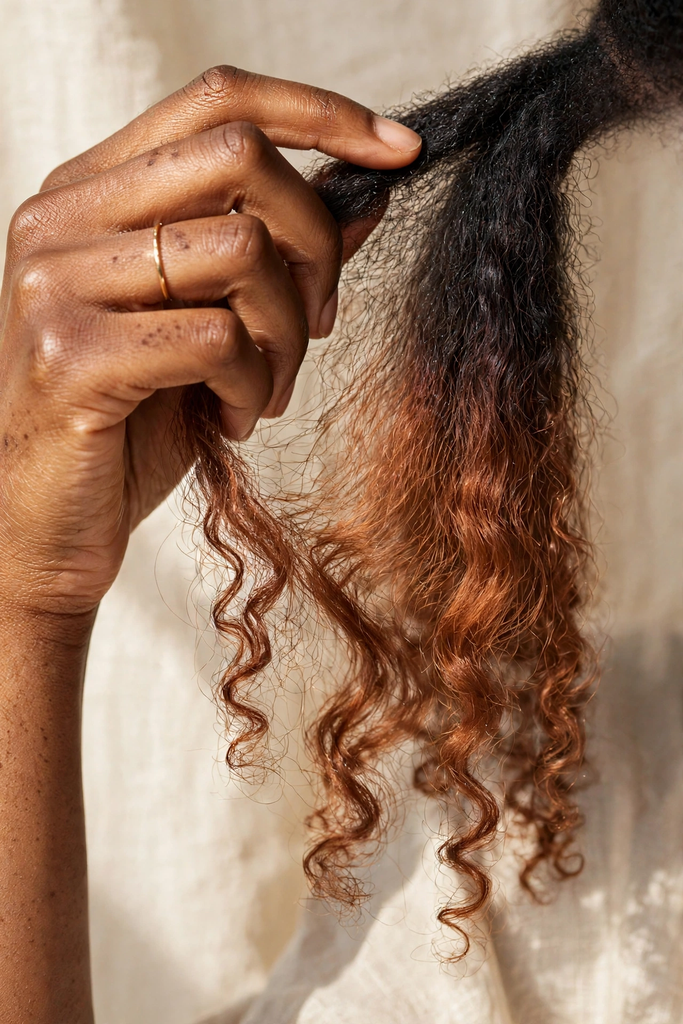
Match the shade to your current color in daylight, not under a bathroom light. Apply lightly and build slowly, because too much looks stiff. Skip any product that leaves your hair crunchy or flaky.
18. Skip Home Bleach on Hair That Has Been Relaxed or Heat Styled
Lightening is a chemical process, and it works on top of whatever your hair has already been through. Relaxers, years of flat ironing, and past color all change how hair reacts to bleach. Hair that looks healthy can still be fragile underneath. That is why the same lightener can do very little on one head and cause breakage on another.
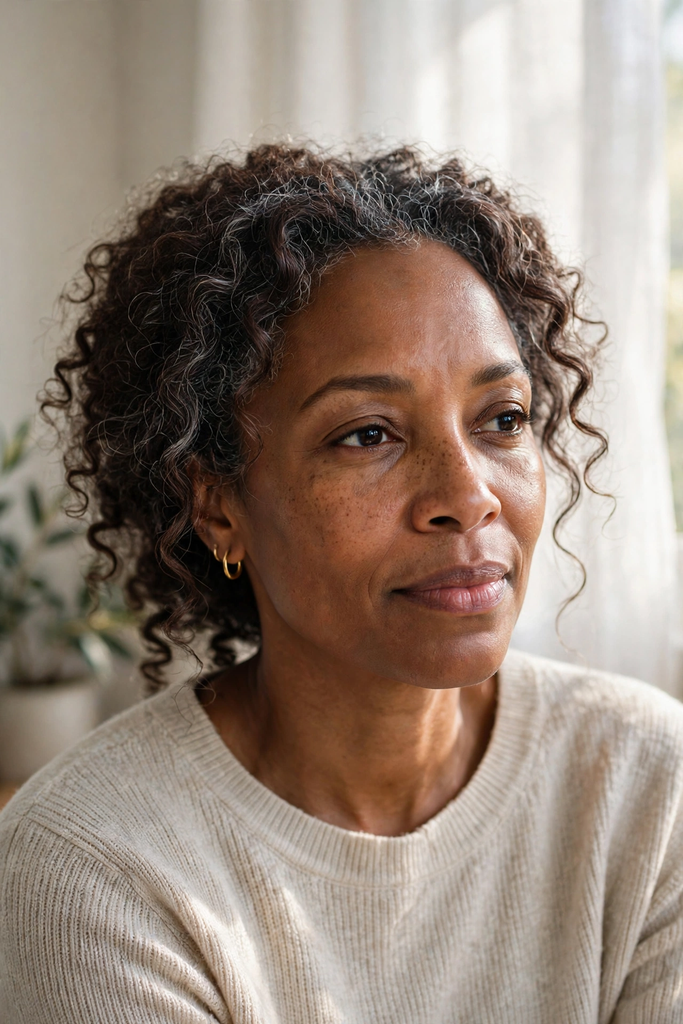
If you want a lighter shade, book a colorist who works with textured hair and tell them your full history. Ask for a strand test first. If you are not sure whether your hair can take it, a deeper tone like chocolate or burgundy is a safer start.
⚠️ Watch Out
If your hair feels stretchy, mushy when wet, or snaps easily, pause all lightening and talk to a professional first. Strengthening treatments and a trim come before any new color.
19. Auburn for a Warm Change That Still Looks Natural at Work
Auburn sits between brown and red, so it looks like a shade your hair might have grown on its own. It warms the face, flatters brown and deep brown skin, and shows its red in sunlight while reading as dark brown indoors. That makes it a gentle step up from plain brown for anyone who wants noticeable color without an obvious change at the office.
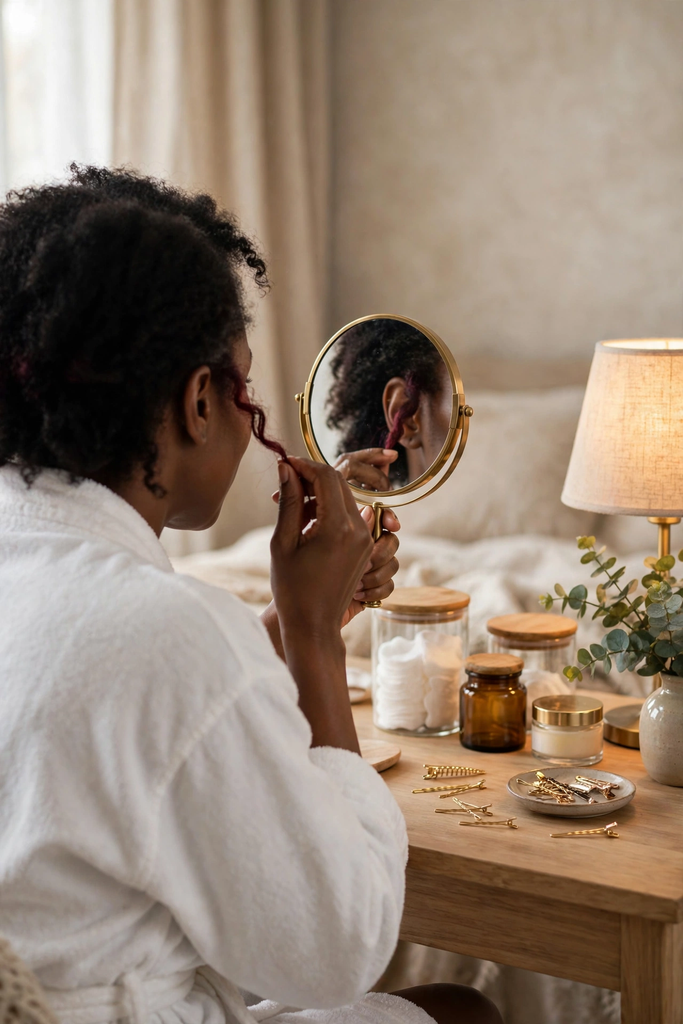
Ask for a soft auburn with a brown base rather than a bright red. Red pigment fades faster than most, so plan for a gloss and a color safe shampoo. If your hair is dark, it may need light lifting to show the shade, so confirm the plan with your colorist.
20. Hair Color for Black Women Over 40 Looks Best When It Fits Your Life, Not a Trend
Trends move quickly, but your schedule, budget, and hair history stay the same. A shade that looks great on a feed can be a headache if it needs a salon visit every month and you have time for two a year. Start with the version of the color you will actually keep up. That might be face framing pieces, a color melt, or a deep brown with a gloss.
Treat your first change as a test. Live with it for a few weeks, notice how your hair feels, and adjust from there. Good color is color you enjoy wearing, and that is the better measure than a swatch.
Choose the shade you can keep up with. Easy color that looks good every day beats a trend that needs constant fixing.