15 Locs for Black Women Over 40 That Look Polished at Every Stage
Most loc advice online is written for people with endless time and a very different hair story. If you are over 40, you may have gray at your temples, edges that need extra care, and a calendar with no room for a three hour styling session. That is the real gap. Locs for black women…
Most loc advice online is written for people with endless time and a very different hair story. If you are over 40, you may have gray at your temples, edges that need extra care, and a calendar with no room for a three hour styling session.
That is the real gap. Locs for black women over 40 need to look polished, feel comfortable, and fit a life that is already full. The good news is that locs get more interesting with time, not less. Your texture, your length, and even your gray all give you more to work with.
Below are 15 ideas that cover starting out, styling for events, protecting your edges, and keeping things simple on busy weeks. Some suit brand new locs and others suit mature ones. Pick what fits your stage and save the rest for later.
1. Choose a Starter Loc Size You Can Live With for Years
Size is the one choice you cannot easily take back.
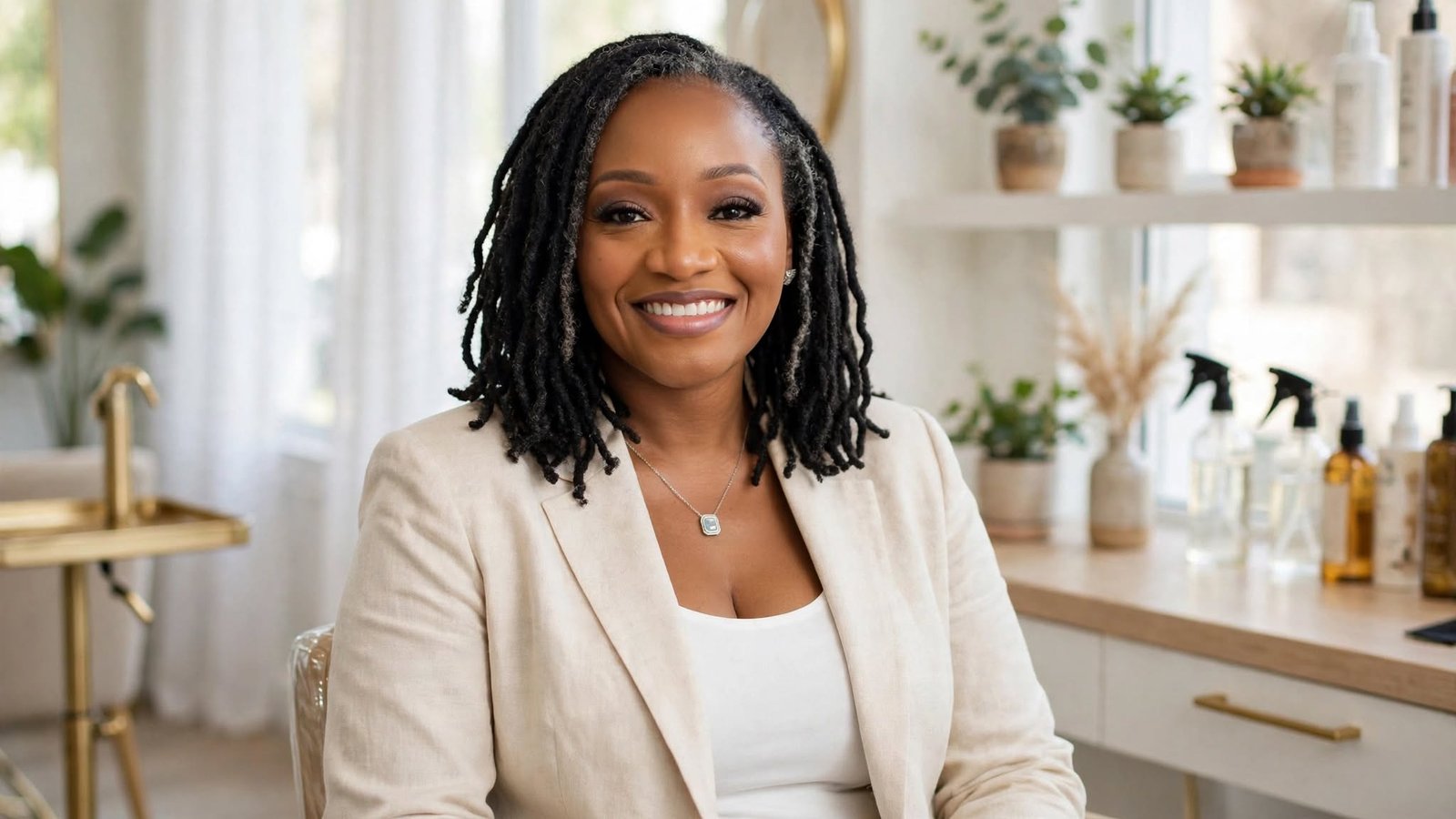
Smaller locs give you the most styling range. You can pin them up, braid them, or wear them down, and they move easily. The trade is a longer install and more locs to retwist. Larger locs look bolder and need fewer retwists, but they feel heavier sooner. Medium sits in the middle and suits most schedules.
Ask yourself three things before you book:
- How many hours can I give to wash day and retwists?
- Do I want updos for work or events?
- Is my scalp sensitive near the hairline?
If that last answer is yes, ask your loctician for slightly wider parts so the roots are not under constant strain. Look at photos of locs on hair density like yours, not hair that is much thicker.
2. Let Your Gray Come In and Style Around It
Gray locs often look like highlights you never had to book.

Most women notice silver first at the temples or the crown. Before you reach for color, try moving your part so the gray frames your face. Locs also hold dye differently than loose hair, so it helps to decide how much gray you want to keep before you commit to covering any of it.
Gray strands can feel a little drier or wiry. A few things help:
- A light oil on the scalp twice a week
- A water based moisturizer on the length
- Gentle hands when you retwist the silver sections
The wiry texture is normal, and it often softens as the locs mature.
💡 Quick Tip
Ask your stylist to place your part where the most gray sits. It shows the silver on purpose, so it reads as a choice instead of something you are hiding.
3. Shoulder Length Locs With a Deep Side Part
A deep side part makes shoulder length locs look styled even on a day you did nothing to them.

The hair falls across one side of the face, which softens the jawline and shows off the length. It also hides a lot of sins, like roots that are due for a retwist or a crown that has gone a little fuzzy.
Three small moves make it work:
- Part on the side where your hair already wants to fall
- Tuck the opposite side behind your ear
- Rub a little light oil on the ends so they do not look dry
Skip this style while your locs are still budding and standing up from the scalp. They need some weight to lie flat. A few months in, once they hang on their own, this is one of the easiest looks you can wear.
4. A Low Bun That Works for the Office and the Gym
Gather, twist, pin. That is the whole style.
A low bun holds up through back to back meetings, school pickup, and a workout without needing a fix in the car mirror. Keep it loose at the nape. A tight bun pulls on the roots all day, and over months that tension can thin the hairline.
Shorter locs may not wrap fully, so use a soft headband to hold the front sections in place. Longer locs can be wrapped twice for a fuller shape. If your bun slides down by lunch, move the pins closer to the base instead of pulling the bun tighter.
This also works as a bridge style when you are growing out a shorter length.
Gather your locs at the nape and hold them with a soft, wide scrunchie. Keep it loose.
Twist the length around the base in one direction until it sits flat against your head.
Tuck the ends under and secure with a few U shaped pins, spaced around the bun.
5. Book Your Retwist Before the Event, Not the Morning Of
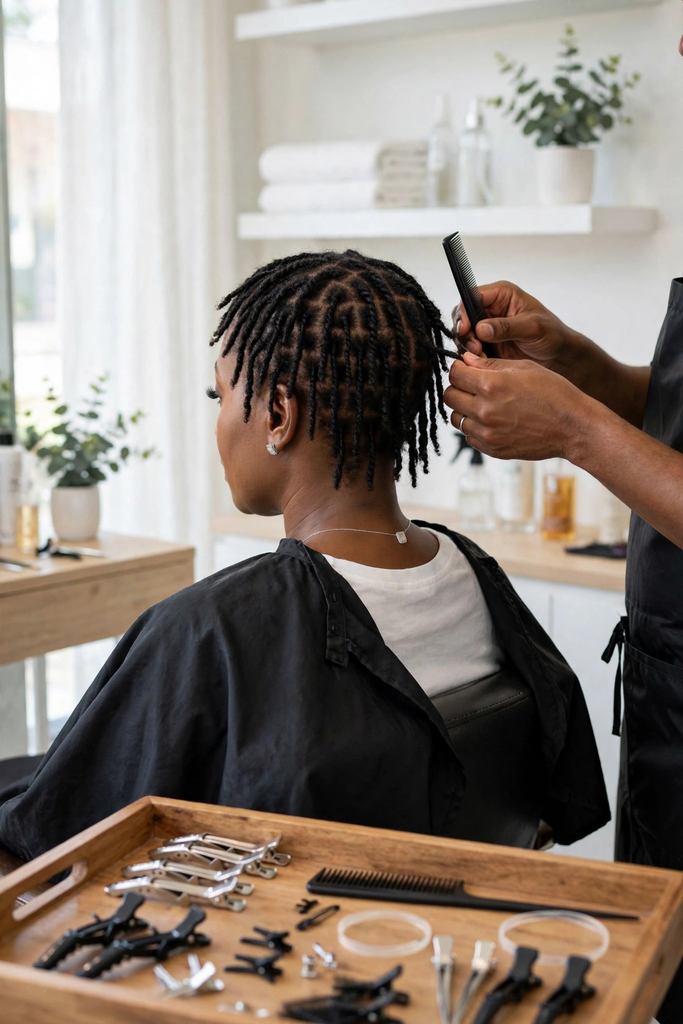
Many women book a retwist the same morning as a big event. It feels efficient, but a fresh retwist can leave the scalp tender and the roots looking tight and shiny.
Give it a few days. That window lets the roots relax, lets any product settle, and gives you time to fix anything you do not love. It also means you are not sitting through photos with a sore hairline.
When you book, ask for two things:
- A gentle hand around the temples and edges
- Light product only, because heavy gel builds up fast and can leave residue
If you cannot move the appointment, a loose style like a side part or a low bun hides fresh roots better than anything pulled back.
Retwist the morning of the party. Roots look tight, the scalp feels tender, and you sit through photos at your least comfortable.
Retwist a few days early. Roots have relaxed, the scalp is calm, and the morning is free for your outfit.
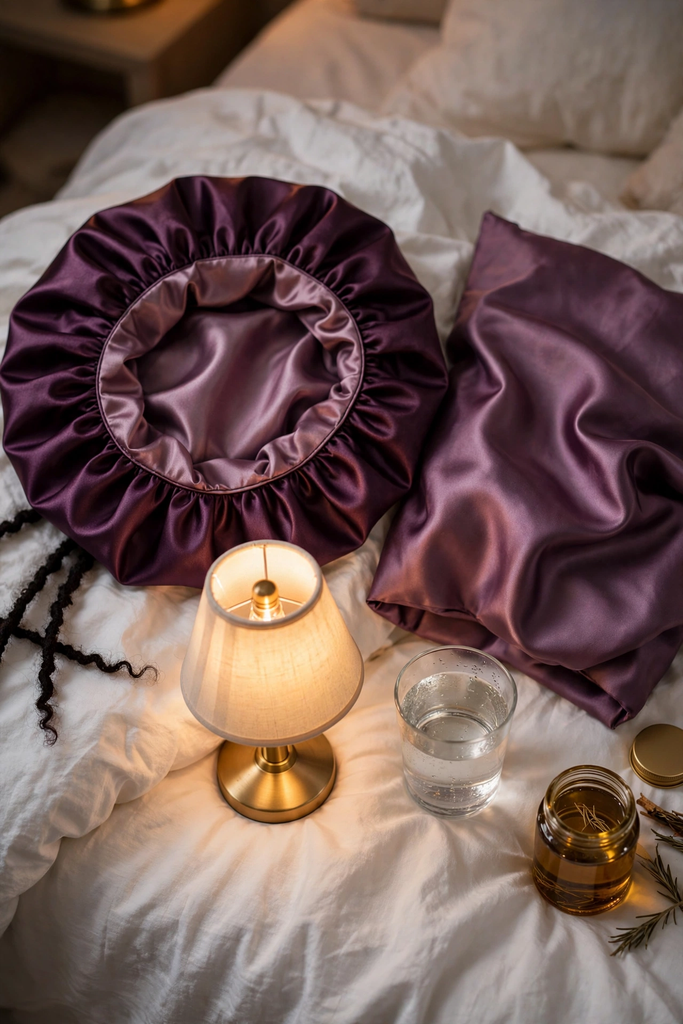
6. Wrap Your Locs at Night With a Satin Lined Bonnet
Cotton pillowcases are quietly hard on locs. They pull moisture from the hair and leave lint caught in the surface, which shows up as fuzz by the weekend.

A satin lined bonnet solves both problems. Choose one with a wide, soft band so it does not leave a dent at your hairline, and size up if your locs are long or thick. Some women find a loose scarf tie easier than elastic.
If the bonnet slips off by morning, add a satin pillowcase underneath as a backup. Wash the bonnet every couple of weeks, since it collects oil and product too. Keep a spare by the bed so a busy wash day never leaves you bare headed.
Your night routine checklist
7. Protect Your Edges From Styles That Pull Too Tight
Here is a simple rule: if a style hurts, it is already causing damage.

Tight ponytails, heavy braided updos, and styles pinned in the same spot every day can strain the hairline over time. Edges can be more delicate as we age, so the margin for error gets smaller.
Rotate your parts and your styles. Wear a loose look for a few days after any tight one. If you notice small bumps, soreness, or thinning near the temples, let that area rest and ask your loctician or a doctor to take a look.
A silk scarf worn lightly across the front tames flyaways without gel or tension.
Rotate your parts every few weeks.
Wear a loose style after a tight one.
Use a silk scarf for flyaways.
The same tight ponytail every day.
Heavy beads on thin front locs.
Ignoring soreness at the temples.
8. Add Honey or Burgundy Tones the Loc Safe Way
Temporary color and bleach are two very different roads.

Temporary or semi permanent color sits on the surface and fades, so you can test honey or burgundy without a long commitment. Lightening the hair with bleach changes its structure and can leave locs dry or weak, especially near the ends.
If you want warm tones, start with the gentler option. Do a strand test on one loc, wait for the result, and then decide. Book with a loctician who colors locs often, because they know how product behaves inside a loc.
Keep color off the scalp if it feels sensitive, and rinse thoroughly so no residue stays trapped. Plan color for a quiet week, not the night before an event.
| Gentle color route | Lightening route |
|---|---|
| Fades gradually, easy to change your mind | Longer term change that is hard to reverse |
| Lower risk of dryness | Can leave strands dry or weak |
| A good first step with a strand test | Only with a pro who knows locs well |
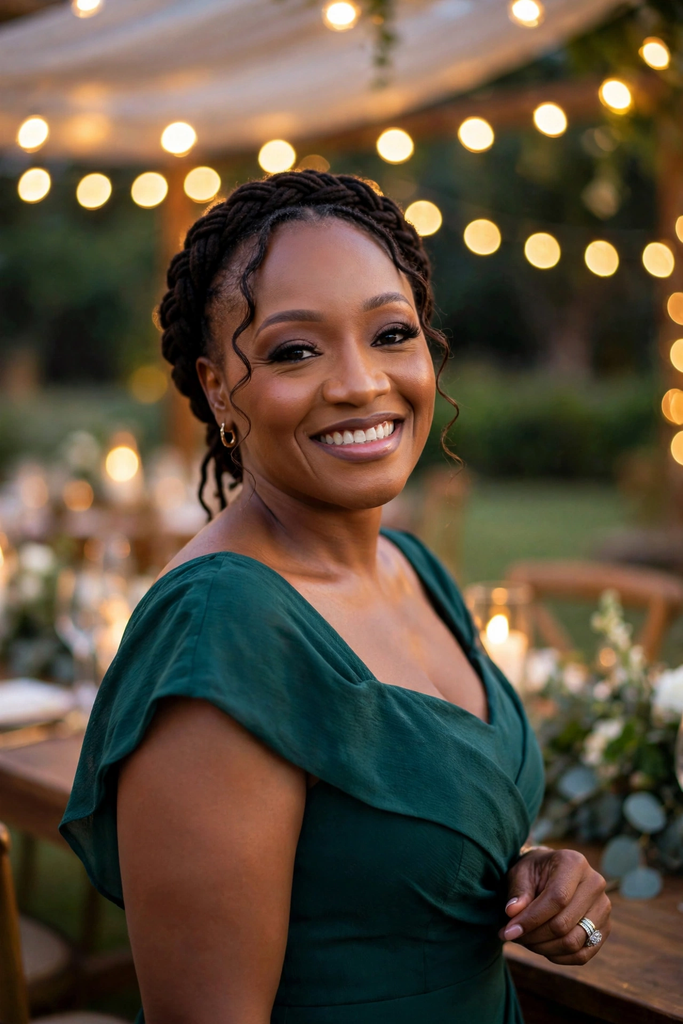
9. A Loc Crown Braid for Weddings and Milestone Dinners
The invitation says black tie, and your locs are well past your shoulders.

A crown braid wraps one thick row of locs around the head like a halo. It stays secure through a long ceremony, dancing, and hugs from a line of relatives.
Ask your stylist to rehearse it a week ahead so you know how long it takes and which pins hold best. Bring a photo of the exact shape you want. Leave a few loose locs at the front to soften the look.
Pins in a matching color disappear into the hair, and a small gold pin at the finish adds shine without fuss. Wear it with a deep V neck or an open collar so the shape has room.
Do a trial run a week before the event. A style you have already worn once is the one you will feel calm in.
10. Pin Up Long Locs With a Fabric Headwrap
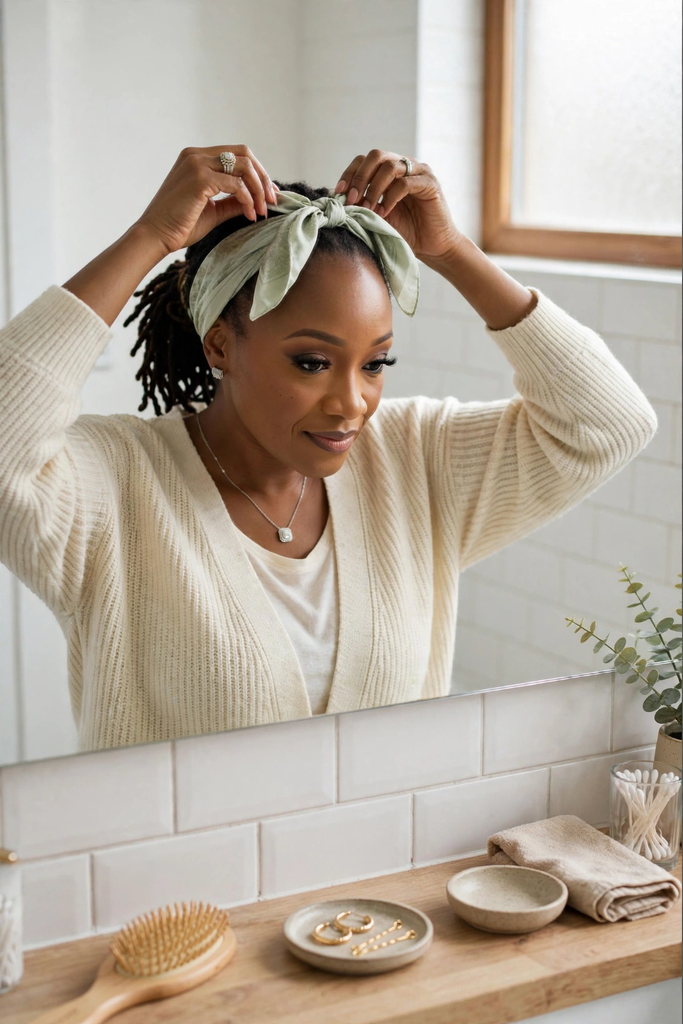
A wide fabric headwrap, folded once and tied high, lifts long locs off the neck on a hot afternoon. It also covers a few days of overdue roots and adds print without any real styling.
Gather the locs into a loose top knot first, then wrap the fabric around it and tie the ends at the front or back. Cotton and linen grip well. Slippery satin needs a few pins to stay put.
Choose a length about as long as your arm and practice the knot once before the day you need it. Pick a print that echoes one color in your outfit. It works well for church, brunch, or a school event when you want an easy finish.
⚠️ Watch Out
Do not tie the wrap tightly across the hairline. A snug band worn for hours strains the same delicate spot that tight updos do. If it leaves a mark on your skin, loosen it.
11. Gold Cuffs, Thread Wraps, and Beads That Stay Put
Accessories should survive a full day, not fall out by lunch.

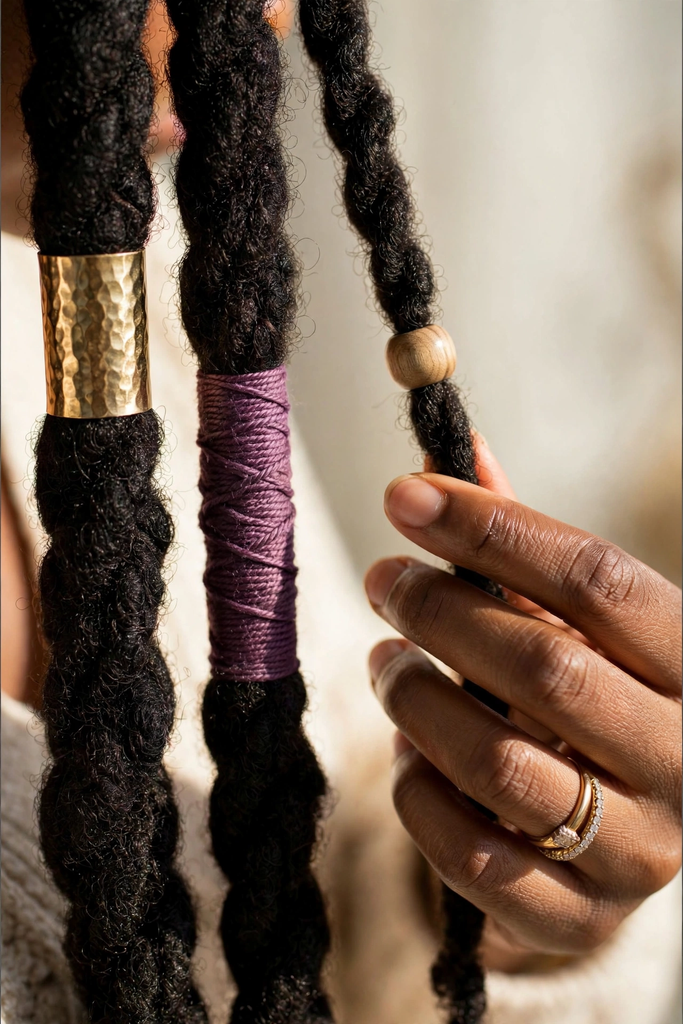
Loc cuffs slide on and stay, so they suit locs that are thick enough to grip. Thread wraps in gold, copper, or a deep plum color work on thinner locs and cost almost nothing. Beads look best with a wide opening, since a tight bead drags on the loc.
Keep it small. Choose two or three locs near the face and leave the rest bare. Match the metal to the jewelry you already wear most, and skip anything heavy near the hairline, where weight pulls the most. If a cuff spins or sags, it is too big, so go down a size.
12. Keep a Simple Wash Day Kit Ready
Wash day goes smoother when the basket is already packed.
Most women lose time hunting for the right bottle, a clean towel, or a spare scrunchie, and the scalp sits wet while they look. Keep everything in one bin under the sink or on a closet shelf. Restock it when you finish, not when you start.
Residue is the thing to avoid. Choose a residue free shampoo and rinse for longer than feels necessary. Dry the locs well afterward, because damp locs that stay wet for days can pick up a musty smell. A microfiber towel and a few minutes of air time near a window help.
What goes in the wash day bin
13. Short Tapered Locs for a Wash and Go Morning
Short locs dry fast, and that alone changes a week.

A tapered cut keeps the sides and nape close and leaves a little more length on top. It shows off your cheekbones and neck, and it needs almost no styling. You can finger comb the top, add a headband, or leave it alone.
Ask your stylist how short is realistic for your loc stage. Very young locs can come loose if cut too much. Mature locs tolerate shaping well.
Plan a quick touch up every few weeks to keep the edges clean. The upkeep is small, but a tapered shape looks sharper when it stays crisp.
Long locs hold water for hours, wash day eats the afternoon, and the weight pulls at the roots.
Short tapered locs dry quickly, sit light on the scalp, and look finished with a finger comb.
14. A Half Up Style for Dinner Out
You want something dressier than loose locs, but not a full updo.
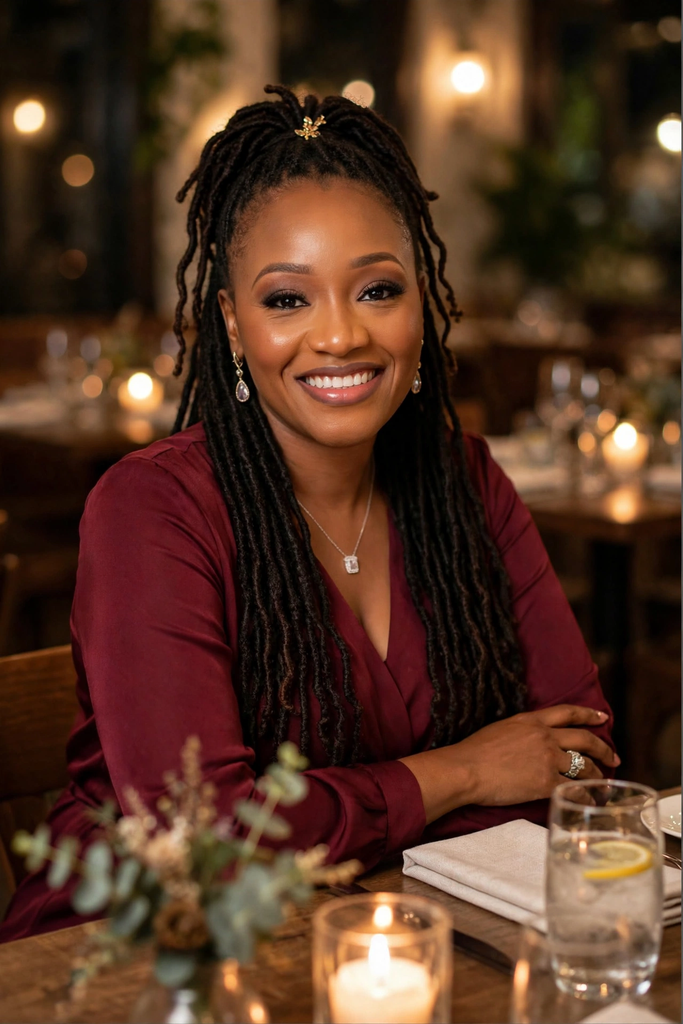
A half up style does that in a few minutes. It keeps the hair off your face, shows your earrings, and leaves length down your back. It also suits an anniversary dinner or a night out with friends.
Keep the top section loose so it does not tug at the temples. A hidden clip at the back holds better than a rubber band. Add one gold pin or a small cuff for a finishing detail.
If your locs are short, gather only the front sections. Long locs can be twisted once before pinning for a fuller shape.
Part your hair and gather the top half of your locs, from ear to ear.
Twist the gathered section once and secure it with a large clip at the back of the crown.
Let the rest fall down your back and add one gold pin or cuff on the front.
15. Locs for Black Women Over 40 Look Best When You Stop Comparing Stages
Scroll through any loc feed and you will find someone whose locs are longer, thicker, or further along than yours.

That comparison costs you more than it gives. Locs move through stages on their own timeline, and yours is set by your texture, your care, and your patience. Budding locs, awkward length, and thinner sections are part of the path, not signs that something is wrong.
Take a photo of your locs every month. Looking back after a year shows progress you cannot see day to day. Pick one style from this list for the stage you are in now, and leave the next one for later.
Style the locs you have today. Every stage has a look that suits it.
Conclusion
Healthy, good looking locs come from small habits, not big changes. A loose bun on a busy Tuesday, a satin bonnet every night, and a retwist booked a few days before the event do more than any single product.
Locs for black women over 40 do not need to follow anyone else’s timeline. Pick the style that suits your stage, protect your edges, and let your gray, your length, and your texture become part of the look.
Come back to this list whenever you want a fresh idea. Save it to your hair board so it is easy to find before your next special occasion.
Before you close this tab