

19 Practical Gut Health Tips for Black Women Over 40 to Restore Energy and Digestion
Navigating midlife often comes with unexpected digestive shifts that can throw your entire routine off balance. One week your digestion is fine, and the next you are dealing with stubborn bloating, sluggish energy, and a metabolism that feels entirely out of sync. Standard wellness advice rarely addresses how cultural nutrition, lived experiences, and the unique…
Navigating midlife often comes with unexpected digestive shifts that can throw your entire routine off balance. One week your digestion is fine, and the next you are dealing with stubborn bloating, sluggish energy, and a metabolism that feels entirely out of sync. Standard wellness advice rarely addresses how cultural nutrition, lived experiences, and the unique realities of midlife intersect in our forties and beyond. True gut health tips for black women over 40 need to be practical, culturally resonant, and designed to support both your digestion and vitality. Here are nineteen grounded, actionable ways to soothe your gut, restore your energy, and reclaim your comfort on your own terms.
1. Ditch One-Size-Fits-All Diets and Honor Your Metabolic Roots
Traditional African, Caribbean, and Southern eating patterns are naturally rich in fermentable fibers, root vegetables, and whole foods that love your microbiome. Trying to force your body into restrictive modern trends often starves beneficial gut bacteria instead of helping them thrive.

Leaning into nourishing, slow-cooked meals makes digestion easier and brings genuine comfort to your daily nutrition without making you feel deprived or stressed. Leaning into nourishing, slow-cooked meals makes digestion easier and brings genuine comfort to your daily nutrition.
2. Introduce Fermented Foods Slowly to Rebuild Your Microbiome
Fermented foods like sauerkraut, kefir, and traditional apple cider vinegar introduce live beneficial cultures that strengthen your gut lining. However, diving in too fast can cause temporary gas and bloating if your system isn’t used to them.

Pacing your intake lets your microbiome adapt smoothly without overwhelming your digestive tract, ensuring you gain the long-term benefits without the discomfort.
Start slow with live probiotic foods and tonics to let your digestive system adapt comfortably without sudden bloating.
3. Prioritize Soluble Fiber to Keep Digestion Moving Smoothly
As estrogen naturally fluctuates in your forties, transit time through your digestive tract can slow down significantly, leading to sluggishness and discomfort. Soluble fiber binds to water to form a gentle gel that helps keep things moving effortlessly.

Keeping your fiber intake steady supports smooth digestion without triggering sudden intestinal distress, keeping your midlife energy stable throughout the day.
Incorporate soluble fiber sources like oats, chia seeds, and beans daily to combat sluggish midlife digestion.
4. Calm the Gut-Brain Axis with Intentional Stress Management
Your gut and your brain are constantly communicating via the vagus nerve, meaning daily stress directly impacts your digestion, causing cramps or slowed motility. When cortisol stays elevated from a packed schedule, your gut lining can become more permeable.

Creating a calm environment around mealtime dramatically improves how your body breaks down and absorbs nutrients, shielding your digestive tract from stress-induced flare-ups.
Practice mindful breathing and quiet meals to calm the vagus nerve and improve nutrient absorption.
5. Support Your Gut Lining with Bone Broth and Collagen
Your intestinal wall acts as a selective barrier, and midlife hormonal shifts can sometimes leave it feeling more vulnerable to inflammation and food sensitivities. Incorporating amino-acid-rich broths provides the raw building blocks needed to repair and maintain a strong mucosal lining.

Sipping on a warm mug of bone broth in the afternoon is a soothing way to nourish your gut while giving your energy a gentle, natural lift.
Drink mineral-rich bone broth or collagen daily to reinforce your intestinal mucosal barrier.
6. Rotate Your Plant Foods to Maximize Microbiome Diversity
Eating the same few vegetables week after week can limit the variety of beneficial bacteria thriving in your digestive tract. Aiming for a wide rotation of colors, roots, herbs, and seeds feeds different microbial strains.

Giving your microbiome a rich variety of plant fibers helps create a resilient, balanced gut ecosystem that handles dietary shifts with ease.
Rotate different colored plants, grains, and seeds to feed diverse strains of healthy gut flora.
7. Identify Personal Food Triggers Without Unnecessary Restriction
As metabolism shifts in your forties, foods that used to digest effortlessly might suddenly cause stubborn bloating, fatigue, or brain fog. Instead of cutting out entire food groups permanently, track how your body responds to common irritants like dairy, gluten, or excessive refined sugars.
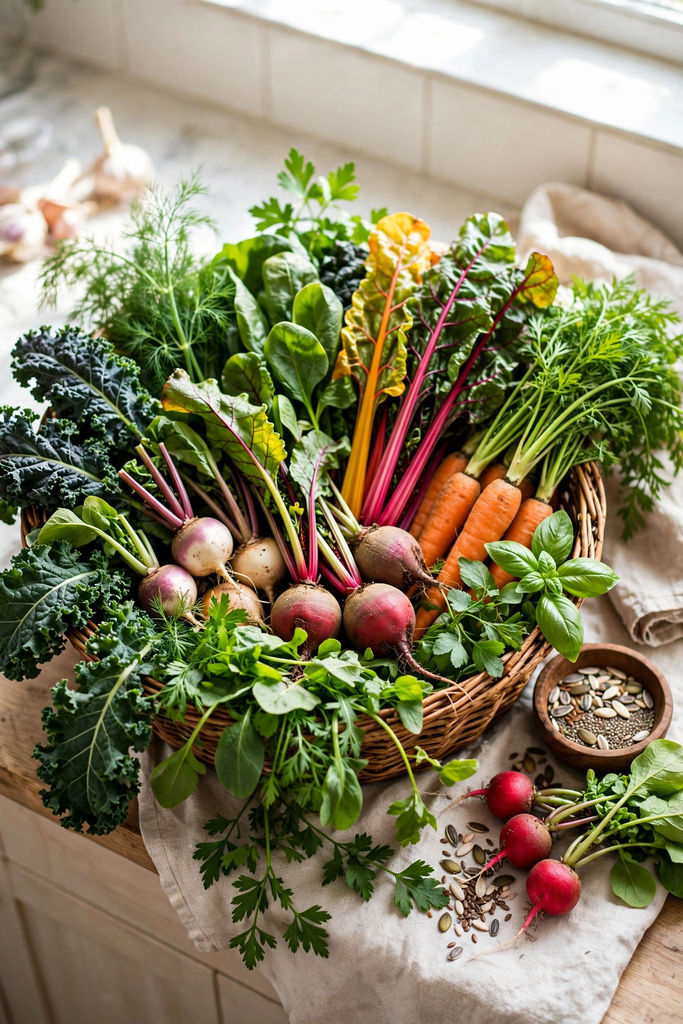
Listening closely to your body’s specific signals empowers you to make targeted adjustments that actually make you feel better without taking the joy out of eating.
Use targeted symptom tracking rather than harsh elimination diets to identify personal food sensitivities.
8. Hydrate Mindfully Between Meals Rather Than Drowning Them
Drinking massive quantities of water directly during meals can dilute essential stomach acid and digestive enzymes, making it harder for your body to break down proteins and absorb nutrients efficiently.

Spacing out your hydration protects your digestive fire and keeps your energy steady throughout the afternoon without causing uncomfortable stomach fullness.
Sip water between meals instead of chugging during them to preserve your natural stomach acid strength.
9. Harness the Power of Ginger and Peppermint for Bloat Relief
Traditional remedies like fresh ginger root and peppermint have been used for generations to calm digestive spasms, ease gas, and stimulate sluggish gastric motility. Keeping these natural aids on hand provides fast, comforting relief when bloating flares up unexpectedly.

A warm cup of ginger tea after a heavier dinner is a simple, comforting ritual that prevents evening discomfort and helps you rest easy.
Use ginger and peppermint teas to soothe unexpected bloating and relax digestive muscles naturally.
10. Prioritize Deep, Quality Sleep to Heal Your Gut Microbiome
Your gut bacteria operate on a circadian rhythm just like the rest of your body, meaning poor sleep directly disrupts microbial diversity and intestinal barrier integrity. When midlife sleep disturbances strike, your gut misses its crucial overnight repair window.

Protecting your evening wind-down routine allows both your nervous system and your gut to regenerate fully overnight, setting you up for vibrant morning energy.
Prioritize consistent sleep schedules and early dinners to support overnight gut tissue regeneration.
11. Support Stomach Acid Balance as You Age Naturally
As we move past forty, natural production of stomach acid can sometimes decline, leading to sluggish digestion, bloating, and poor mineral absorption. Supporting your natural gastric secretions with simple acidic helpers can make a remarkable difference in how your meals process.

A small splash of apple cider vinegar in water before lunch can effectively prime your digestive enzymes for smooth processing without harsh pharmaceutical aids.
Use apple cider vinegar or digestive bitters before meals to support healthy stomach acid levels.
12. Move Your Body Gently to Stimulate Natural Bowel Motility
Sedentary days can cause your digestive tract to slow down, leading to uncomfortable bloating and sluggishness. You don’t need exhausting workouts to get things moving; gentle, consistent motion is often much more effective for gut motility.

Post-meal walks are a powerful, effortless way to signal your digestive system to keep working efficiently while enjoying fresh air and clear headspace.
Take short post-meal walks and gentle stretches to stimulate natural bowel motility.
13. Limit Artificial Sweeteners and Emulsifiers That Disrupt Gut Flora
Many commercial “diet” products and packaged foods contain synthetic sweeteners and chemical emulsifiers that can alter the delicate balance of your microbiome, promoting inflammation and bloating.

Reading ingredient labels closely helps you steer clear of additives that silently irritate your digestive tract so you can feel light and energized.
Avoid synthetic sweeteners and chemical emulsifiers that compromise the health of your microbiome.
14. Incorporate Soothing Slippery Elm or Marshmallow Root Teas
When your digestive tract feels inflamed or irritated, mucilaginous herbs like slippery elm and marshmallow root can coat and soothe the intestinal lining, easing discomfort and promoting natural healing.

Adding these gentle herbal supports into your weekly routine protects your gut against unexpected flare-ups and keeps your digestion feeling peaceful.
Sip mucilaginous herbal teas like marshmallow root to coat and calm an irritated gut lining.
15. Pay Attention to Chewing Speed and Mindful Eating Habits
Digestion actually begins right in your mouth with enzymes in your saliva breaking down food before it ever reaches your stomach. Rushing through meals and swallowing large chunks forces your digestive organs to work twice as hard, leading to trapped gas and uncomfortable bloating.

Slowing down and paying attention to your food is one of the easiest, completely free ways to eliminate post-meal sluggishness and improve nutrient uptake.
Chew thoroughly and slow down your meals to ease the workload on your digestive tract.
16. Incorporate Resistant Starches to Feed Beneficial Gut Bacteria
Resistant starches pass through the small intestine undigested, reaching the colon where they act as premier food for your healthy probiotic bacteria, producing short-chain fatty acids that protect gut integrity.

Eating cooked and cooled potatoes, rice, or slightly green bananas is an effortless way to boost your resistant starch intake and nourish your microbiome deeply.
Eat resistant starches from cooled starches and slightly green bananas to nourish protective colon bacteria.
17. Monitor Caffeine and Alcohol Intake to Protect Gut Lining
While a morning coffee or an evening glass of wine can feel like cherished rituals, excessive caffeine or alcohol can irritate the intestinal lining and accelerate gut motility uncomfortably. Balancing these treats keeps your digestive comfort intact without forcing you to give up your favorite pleasures entirely.

Being mindful of how stimulants affect your digestion helps you enjoy your beverages while maintaining steady, comfortable energy all day long.
Monitor caffeine and alcohol portions to prevent irritation along your sensitive intestinal lining.
18. Cultivate Community and Share Your Wellness Journey Openly
Navigating midlife digestive changes can feel frustrating when suffered in silence. Sharing your experiences and swapping wholesome recipes with trusted friends creates a supportive environment that lowers stress and encourages consistency.

Leaning into community reminds you that taking charge of your digestive health is a shared, empowering experience rather than a lonely battle.
Share your wellness experiences and swap gut-friendly recipes with a supportive community of friends.
19. Advocate Fearlessly for Your Digestive Health During Medical Visits
Persistent bloating, fatigue, or irregular digestion shouldn’t simply be dismissed as “normal aging.” If your symptoms impact your daily quality of life, arriving at your doctor’s office prepared with food logs and specific questions ensures you receive thorough, respectful care.

You are the ultimate expert on your own body. Partnering with a practitioner who listens and investigates your symptoms makes all the difference in your midlife wellness journey.
Stand firm and advocate for thorough medical evaluations when addressing persistent midlife digestive symptoms.
Conclusion
Restoring your digestion and finding your rhythm with these gut health tips for black women over 40 is a journey of honoring your body’s changing needs with patience and care. You don’t need to change everything overnight; start with one or two small, comforting adjustments that feel right for you. Save this list to your Pinterest board for the next time you want a gentle reminder to prioritize your digestive wellness.


